
Sea Buckthorn Oil: Evidence Backed Skin Hydration and Barrier Repair

Sea buckthorn oil is a nutrient-dense botanical oil best known for two distinct extracts, seed and pulp, each with a different fatty acid profile. The strongest evidence backs topical use for skin hydration and barrier repair. Oral claims for heart, liver, or immune benefits rest on thinner human data, and the oil can interact with blood thinners and blood pressure medication, so treat internal use with more caution than the marketing suggests.
TL;DR:
The fatty acid profile of sea buckthorn oil varies significantly between seed and pulp extracts, affecting color, antioxidant content, and application uses.
Topical application of sea buckthorn oil supports skin barrier repair and reduces inflammation, but human trial evidence remains limited and primarily preclinical.
Use a small patch test before applying it broadly, dilute pure pulp oil, and avoid treating open wounds, as clinical evidence for wound healing is insufficient.
Oral supplements lack robust evidence for systemic health benefits and may interact dangerously with blood-thinning or blood pressure medications.
Choose high-quality products with clear source labeling, dark glass packaging, and third-party testing, and consult a healthcare professional before supplementing or using for medical conditions.
Table of Contents
Seed Oil vs Pulp Oil: What’s Actually in the Bottle
Not all sea buckthorn oil is the same product wearing two labels. Seed oil and pulp (berry) oil come from different parts of the plant, and the difference shows up the moment you open the bottle.
Seed oil is pressed from the small seeds inside the berry. It runs pale yellow, leans heavily on polyunsaturated fats, and delivers a mix of omega-3 and omega-6 fatty acids. Pulp oil, pressed from the fleshy berry itself, is dark orange to red and carries high levels of palmitoleic acid, better known as omega-7, along with a dense load of carotenoids. Seeds yield a modest amount of oil by fresh weight, while the pulp yields a smaller share but contains much more carotenoid content per gram, according to Wikipedia’s summary of sea buckthorn oil composition.
That color difference isn’t cosmetic trivia. Carotenoids and tocopherols (vitamin E’s active forms) are both antioxidants, and pulp oil’s deeper color reflects a much higher concentration of them.
Seed oil: pale yellow, omega-3/6 dominant, lighter texture, absorbs faster
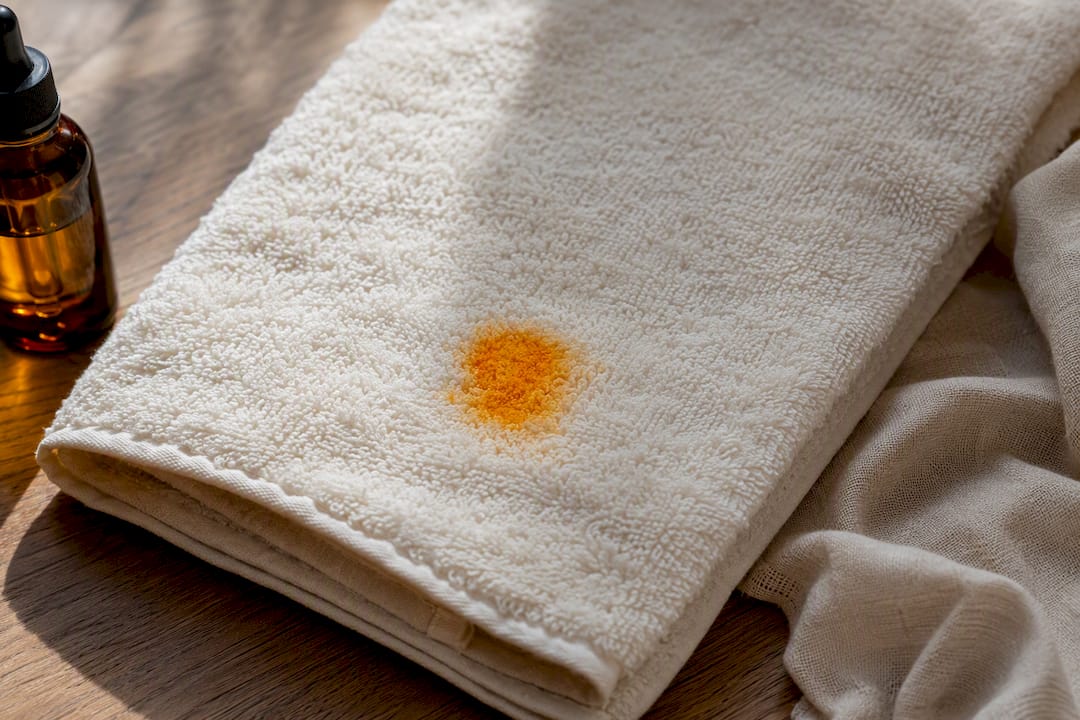
Pulp oil: deep orange, omega-7 dominant, rich in carotenoids and plant sterols, can stain fabric and skin temporarily
Blends: many commercial products combine both to balance absorption with pigment-driven antioxidant content
Extraction method and the plant’s growing region also shift the final profile. Cold-pressed oils retain more of the delicate unsaturated fats than solvent-extracted versions, and cultivars grown in colder climates tend to concentrate more carotenoids as a natural stress response.
Does Sea Buckthorn Oil Actually Work on Skin?
The best-supported use for sea buckthorn oil is topical, and the mechanism is reasonably well mapped even though the human trial data are still catching up.
A 2025 review in Frontiers in Pharmacology found that sea buckthorn’s bioactive compounds, its fatty acids, flavonoids, and carotenoids, modulate two inflammatory signaling pathways, NF-κB and MAPK, while also supporting the skin’s antioxidant defenses and tissue-repair processes, according to a 2025 review on sea buckthorn and skin health. Those pathways govern how skin responds to irritation, so calming them down is the biological basis for claims about redness reduction and faster healing.
What the evidence actually shows: Preclinical models (cell cultures and animal studies) consistently show reduced inflammatory markers and improved skin barrier function. Human clinical trials on the same outcomes remain small, few in number, and often short in duration.
Supporting that picture, a separate study purified individual fatty-acid fractions from sea buckthorn seed oil and found several of them promoted proliferation in keratinocytes and fibroblasts, the cells responsible for skin renewal, without provoking acute inflammatory responses in vitro, per a study on purified fatty-acid fractions from sea buckthorn seed oil.
Mechanistic evidence: strong and consistent across multiple preclinical models
Human clinical evidence: limited, mostly small trials on hydration and lesion severity
Real-world takeaway: reasonable to expect improved hydration and a calmer barrier with consistent topical use, not a cure for chronic skin disease
A broader review of the oil’s active components confirms this pattern: solid preclinical support for skin benefits, but human data still described as limited, per a review of sea buckthorn’s active ingredients. Set expectations accordingly. This is a barrier-support ingredient with real biochemical backing, not a miracle serum.
How Do You Use Sea Buckthorn Oil on Skin and Hair?
Sea buckthorn oil is potent, pigmented, and easy to overuse. A few drops go further than most people expect.
Patch test first. Apply a small amount to your inner forearm and wait 24 hours before using it on your face.
Start with a diluted blend. Pure pulp oil is intense; many people prefer a formulation that mixes it with a lighter carrier oil.
Apply after serums, before heavier creams. Layer it after water-based serums (hyaluronic acid works well underneath) and before a ceramide-rich night cream to lock in moisture.
Use it sparingly on hair and scalp. A few drops worked into dry ends or massaged into the scalp can help with dryness, though hair-specific clinical data is thin.
Skip it on open wounds. Despite folk claims about wound healing, there isn’t enough clinical evidence to treat it as a wound-care product; save it for intact skin.
If you’re building a routine around barrier repair, a dry skin routine backed by dermatology guidance pairs well with an oil step like this one.
Pro Tip: Pulp oil’s deep orange pigment can temporarily stain light-colored fabric, towels, and sometimes very fair skin. Apply it at night, use a clean pillowcase, and let it fully absorb before dressing.
Do Sea Buckthorn Supplements Work?
Oral sea buckthorn supplements get marketed for a long list of internal benefits: heart health, liver support, dry eye relief, and immune function. The evidence behind most of those claims doesn’t match the confidence of the marketing.
Reviews of the available research describe few high-quality randomized trials testing sea buckthorn against systemic disease outcomes, and much of what exists is preliminary, according to Wikipedia’s overview of sea buckthorn oil. That gap matters because oral supplements are where the biggest promises live and the thinnest proof supports them.
Claimed heart and liver benefits: based mostly on animal studies, not confirmed in large human trials
Dry eye relief: some small studies show promise, but sample sizes are limited
Immune support: plausible given the antioxidant content, but not established through rigorous trials
Supplement quality varies widely: dosage, seed-to-pulp ratio, and standardization differ between brands with no universal standard
If you’re considering an oral supplement for a specific health condition, talk to a healthcare provider first, especially if you take other medications or have an existing diagnosis.
Is Sea Buckthorn Oil Safe? Side Effects and Interactions
Topically, sea buckthorn oil is generally well tolerated, but it isn’t risk-free for everyone. Allergic contact dermatitis, redness, itching, or small bumps at the application site, can happen, particularly with undiluted pulp oil. Stop use immediately if you notice swelling, persistent redness, or hives, and switch to a diluted formulation or skip it entirely if reactions continue.
Orally, the bigger concern is drug interaction. Medical guidance warns that sea buckthorn may affect blood clotting and blood pressure, which creates real risk for people on anticoagulants, antiplatelet drugs, or antihypertensive medication, according to WebMD’s ingredient monograph on sea buckthorn. Anyone on those medications should talk to their prescriber before adding a sea buckthorn supplement, and the same caution extends to pregnant or breastfeeding people and to children, since safety data for those groups is sparse.
No standardized oral dosage exists; study doses vary widely and shouldn’t be treated as a recommendation
Digestive upset (nausea, loose stools) has been reported with oral use at higher doses
Store the oil in a cool, dark place in amber glass to slow oxidation
Rancidity signs: a sharp, sour smell or a change from bright orange to dull brown mean it’s time to toss it
Most sea buckthorn oils have a shelf life of 12 to 24 months unopened; check the label
If a product you’re using triggers a reaction, it helps to understand what commonly triggers eczema flares in beauty products before assuming the oil itself is the cause.
How Do You Choose a Quality Sea Buckthorn Oil?
Not every bottle labeled “sea buckthorn oil” delivers the same product, and label language is where quality gets lost or found.
“Cold-pressed” means the oil was extracted without heat, which preserves more of the fragile unsaturated fats and carotenoids. Check whether the label specifies seed, pulp, or a blend of both, since that tells you what fatty acid profile you’re actually buying. “Organic” certification matters more for pesticide exposure than for potency, but it’s a reasonable quality signal when paired with third-party testing.
Packaging: look for amber or dark glass, which blocks light degradation
Documentation: reputable brands provide lot codes and, ideally, a certificate of analysis (COA) on request
Red flags: sweeping cure-all claims, no mention of seed vs. pulp source, vague “proprietary blend” language with no purity testing
Practical check: compare the oil’s color against typical seed oil (pale yellow) or pulp oil (deep orange); an off-color product may be diluted or oxidized
If you’re comparing sea buckthorn against other facial oils, rosehip oil’s practical guide is a useful side-by-side reference for evidence-backed botanical oils.
Why Essencezenith Curates Sea Buckthorn Products This Way
Essencezenith built its catalog around a simple filter: ingredients need real backing, not just a compelling story on the label. That standard applies directly to how sea buckthorn products get selected, favoring formulations that specify seed versus pulp sourcing and skip the inflated systemic health claims that clinical research doesn’t yet support.
Essencezenith offers a satisfaction guarantee allowing returns of unused items within 30 days, helping customers avoid lost investments if a product doesn’t suit their skin. Customer feedback on efficacy is shown transparently on product pages, providing insights for individual results which can vary, especially with pigmented, potent oils. The shopping experience includes attentive customer service and attention to source transparency, purity, and honest claims over hype. Products like the Eco Nourishing Facial Oil reflect that same standard for readers who want a comparable botanical-oil option.
What Skincare Gets Wrong About “Miracle” Oils
The pattern with sea buckthorn oil repeats across a dozen trendy skincare ingredients: solid mechanistic science gets stretched into sweeping health claims that outrun what trials actually show. The NF-κB and MAPK pathway research is genuinely interesting and gives topical use a real biological rationale. That’s worth taking seriously.
Where conventional advice goes wrong is treating “preclinical evidence” and “proven human benefit” as interchangeable. They aren’t. A cell culture showing reduced inflammation is a promising signal, not a guarantee your skin will respond the same way in six weeks.
My take: use sea buckthorn oil topically, expect gradual improvements in hydration and barrier resilience, and stay skeptical of any oral supplement claiming to fix your heart, liver, or immune system based on a handful of animal studies. The antioxidant evidence guide is worth reading alongside this one if you want to separate genuinely backed antioxidant claims from marketing filler. Prioritize sourcing and dilution over dosage chasing, and let the topical results speak before you reach for a capsule.
— Norman
Find the Right Sea Buckthorn Products at Essencezenith
Essencezenith is built for exactly the reader who just read this far: someone who wants an ingredient’s real evidence, not just its marketing copy, before it goes anywhere near their skin. Product listings include sourcing details such as seed versus pulp origin to inform customers about product contents.

That transparency extends to the whole catalog beyond just facial oils. Pairing a sea buckthorn product with a hydrating facial serum or a niacinamide gel moisturizer with ceramides rounds out a barrier-support routine without requiring you to hunt across five different retailers and cross-check ingredient lists yourself. Orders are covered by a satisfaction guarantee that allows returns within 30 days if a formulation is unsuitable. Browse the current skincare selection at Essencezenith and start with one product rather than overhauling your entire routine at once.
This article is general information, not a substitute for advice from a qualified doctor. Consult a qualified healthcare professional about your own circumstances before acting on anything here.
Sources
FAQ
What Is Sea Buckthorn Oil Used For?
It’s used primarily as a topical ingredient for skin hydration, barrier repair, and calming inflammation, and less reliably as an oral supplement for general wellness claims that lack strong human trial support.
What Are the Negative Side Effects of Sea Buckthorn Oil?
Topical use can cause allergic contact dermatitis in sensitive individuals, while oral use has been linked to digestive upset and potential interactions with blood-thinning and blood pressure medications, according to WebMD.
What Does Sea Buckthorn Oil Do to Your Face?
Applied topically, it supports the skin barrier, helps with hydration, and may calm inflammation through pathways like NF-κB and MAPK modulation, based on preclinical research reviewed in pharmacology literature. Results tend to build gradually with consistent use rather than overnight.
Who Should Not Take Sea Buckthorn?
People on anticoagulants, antiplatelet drugs, or blood pressure medication should avoid oral sea buckthorn without a doctor’s approval, and pregnant or breastfeeding people and children should use caution given limited safety data.
Recommended
Comments