
Why Expired Products Harm Skin: Risks You Should Know
- Norman Church
- 1 day ago
- 9 min read

Why expired skincare products are hurting your skin right now
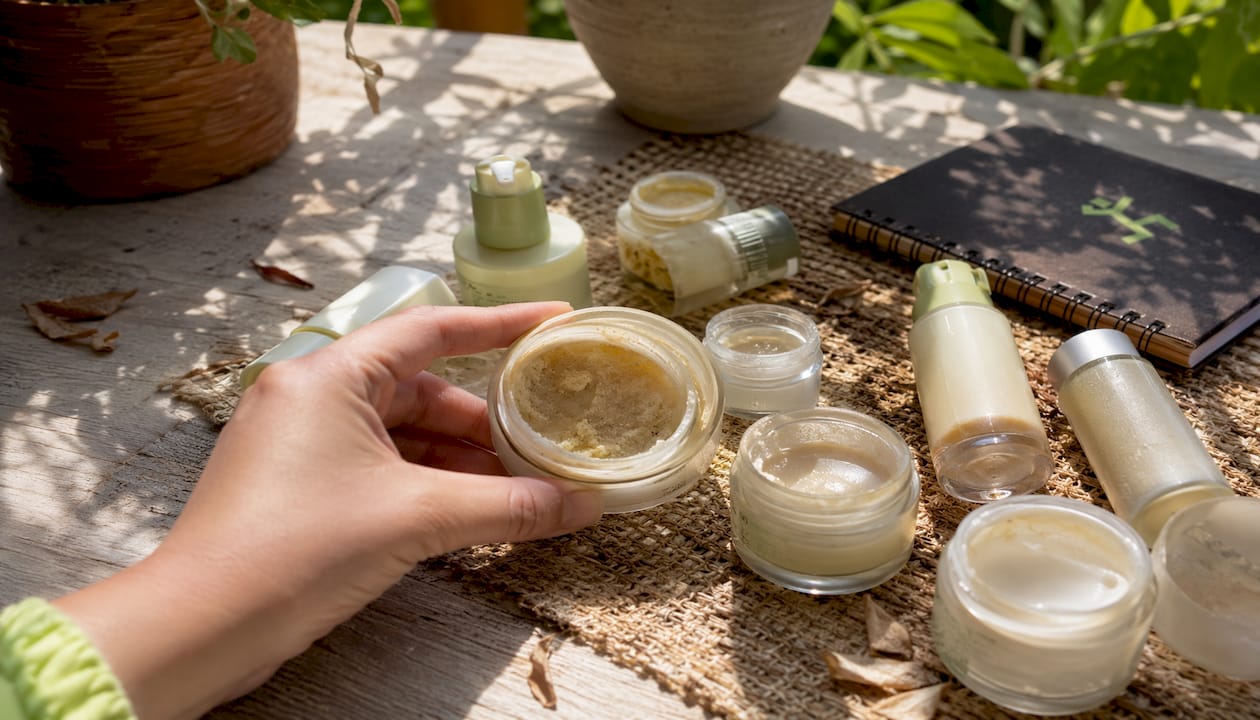
Expired skincare products don’t just stop working. They actively work against you. Once a formula passes its safe-use window, the active ingredients break down, preservatives fail, and the product can become a delivery system for bacteria, mold, and oxidized chemicals that irritate or infect your skin.
Here’s what actually goes wrong:
Efficacy loss: Vitamin C, retinoids, and SPF filters degrade over time, leaving your skin unprotected against UV damage and aging.
Chemical irritation: Oxidized oils and degraded preservatives trigger contact dermatitis, redness, swelling, and in severe cases, chemical burns.
Microbial contamination: Bacteria and mold colonize products once preservative systems fail, raising the risk of skin infections including impetigo and folliculitis.
Chronic skin damage: Repeated use of compromised sunscreen or antioxidant serums can accelerate sun damage and long-term skin aging.
Allergic reactions: Degraded ingredients can become sensitizers, triggering reactions that didn’t occur when the product was fresh.
The core problem is that most of these changes aren’t visible. A lotion can smell fine, look normal, and still harbor enough bacteria or chemical breakdown products to cause real harm. That gap between appearance and safety is exactly why understanding the science matters.
Table of Contents
What actually happens inside an expired product
The damage isn’t random. Specific, predictable chemical and microbiological processes take over once a product ages past its safe window, and each one has a direct consequence for your skin.
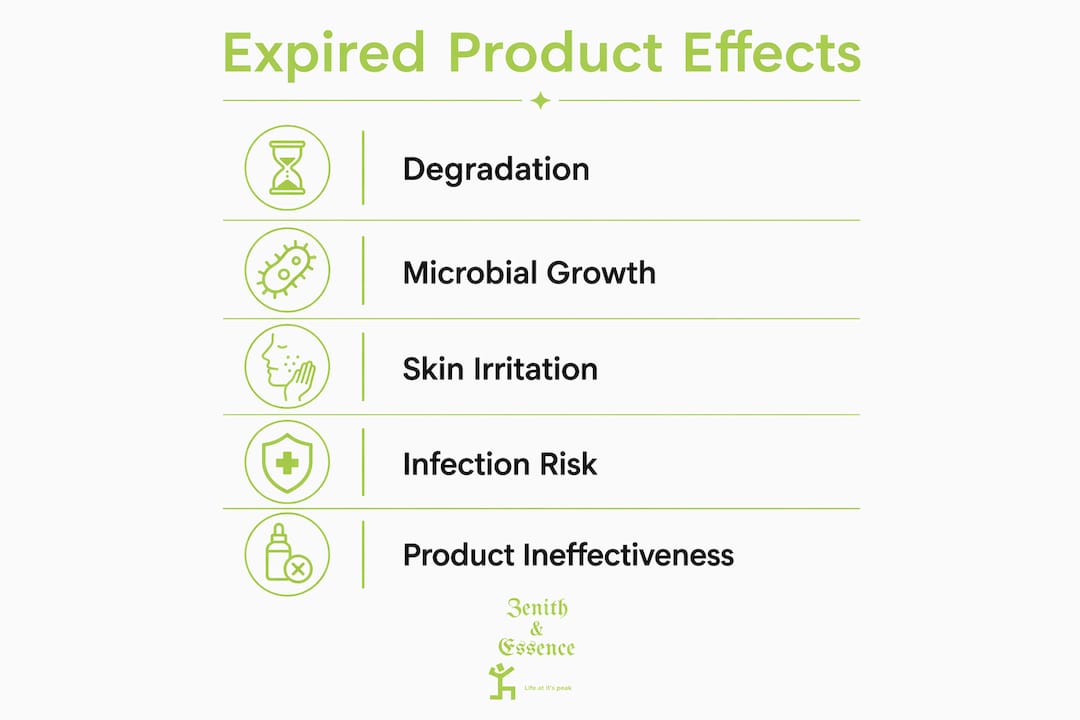
Active ingredient degradation is the most straightforward failure. Vitamin C (ascorbic acid) oxidizes when exposed to air and light, turning yellow or brown and losing its antioxidant function entirely. Retinoids break down under similar conditions, reducing their ability to stimulate collagen and accelerate cell turnover. SPF actives, both chemical filters like avobenzone and physical ones like zinc oxide, can degrade or clump, meaning a sunscreen that once offered SPF 50 protection may offer far less after expiration. The risks of using expired sunscreen include increased sunburn susceptibility and, over time, elevated skin cancer risk.
Preservative failure is where things get dangerous fast. Every water-containing skincare product relies on a preservative system to prevent microbial growth. Once those preservatives degrade, bacteria, yeast, and mold can multiply rapidly inside the container. Research shows that up to 90% of used cosmetics show microbial contamination, with contamination levels increasing alongside usage duration and product age.
Key mechanisms driving skin damage from expired products:
Oxidation of oils and emollients produces free radicals and aldehydes that irritate skin on contact.
Preservative breakdown removes the product’s only defense against bacterial and fungal colonization.
pH shifts in water-based formulas alter how ingredients interact with skin, sometimes increasing penetration of irritants.
Emulsion separation in creams and lotions concentrates certain ingredients unevenly, leading to unpredictable skin exposure.
UV filter degradation in sunscreens reduces actual protection regardless of what the label states.
Statistic callout: Up to 90% of used cosmetics test positive for microbial contamination, with the risk climbing significantly as products age past their Period After Opening date.
Storage environment accelerates all of these processes. Heat and humidity, the exact conditions found in most bathrooms, speed up both chemical degradation and microbial growth. A product that might last 12 months stored in a cool, dry bedroom can deteriorate in half that time sitting on a bathroom shelf.
How to tell if expired products are damaging your skin
The tricky part about harm from old beauty products is that symptoms don’t always appear immediately. Some reactions are obvious within hours of use. Others build gradually over weeks of repeated exposure, making it genuinely difficult to connect the dots between a product and the problem it’s causing.
Immediate signs to watch for after applying a product:
Sudden redness or flushing in the area of application
Itching, stinging, or burning that wasn’t present before
Hives, welts, or a raised rash
Swelling, particularly around the eyes or lips
Breakouts appearing in an unusual pattern or location
Delayed reactions are subtler and often develop gradually over multiple uses, which is why many people never suspect their skincare routine as the cause. You might notice your skin becoming progressively more sensitive, drier, or prone to breakouts over several weeks, with no obvious single trigger.
Pay attention to changes in the product itself, too. A texture that’s become gritty, watery, or separated, a scent that’s turned rancid or chemical, or a color that’s shifted from the original are all reliable indicators that the formula has changed in ways that may affect your skin.
People with compromised skin barriers face a higher baseline risk. Those with eczema or rosacea are more vulnerable to damage from expired products because their skin’s defense mechanisms are already weakened. A product that causes mild irritation on healthy skin can trigger a significant flare in someone with a compromised barrier.
How to tell if a skincare product has expired before you use it
Most non-drug skincare products don’t carry a traditional expiration date printed on the label. Instead, they use a Period After Opening (PAO) symbol: a small open jar icon with a number and the letter “M” (for months). A “12M” symbol means the product is considered safe for 12 months after you first open it. The challenge is that most people never note the date they opened a product, which makes the PAO symbol less useful in practice than it should be.
When you don’t know the open date, rely on sensory checks. Changes in color, texture, odor, and performance are the most reliable signals that a product has turned. Specifically:
Color change: Foundation oxidizing to an orange tone, a vitamin C serum turning dark brown, or a white cream yellowing.
Odor shift: A rancid, sour, or chemical smell replacing the product’s original scent.
Texture change: Separation into layers, graininess, excessive wateriness, or a clumpy mascara wand.
Performance drop: A sunscreen that pills or doesn’t blend, or a moisturizer that no longer absorbs the same way.
For makeup specifically, general timelines from the Mayo Clinic Health System offer useful benchmarks: mascara and liquid eyeliner are considered safe for about three months, water-based foundation for roughly a year, and powder products for up to two years when stored properly.
Pro Tip: Write the month and year you open each product on the bottom of the container with a permanent marker. It takes five seconds and removes all guesswork when you’re trying to decide whether to keep or toss something.
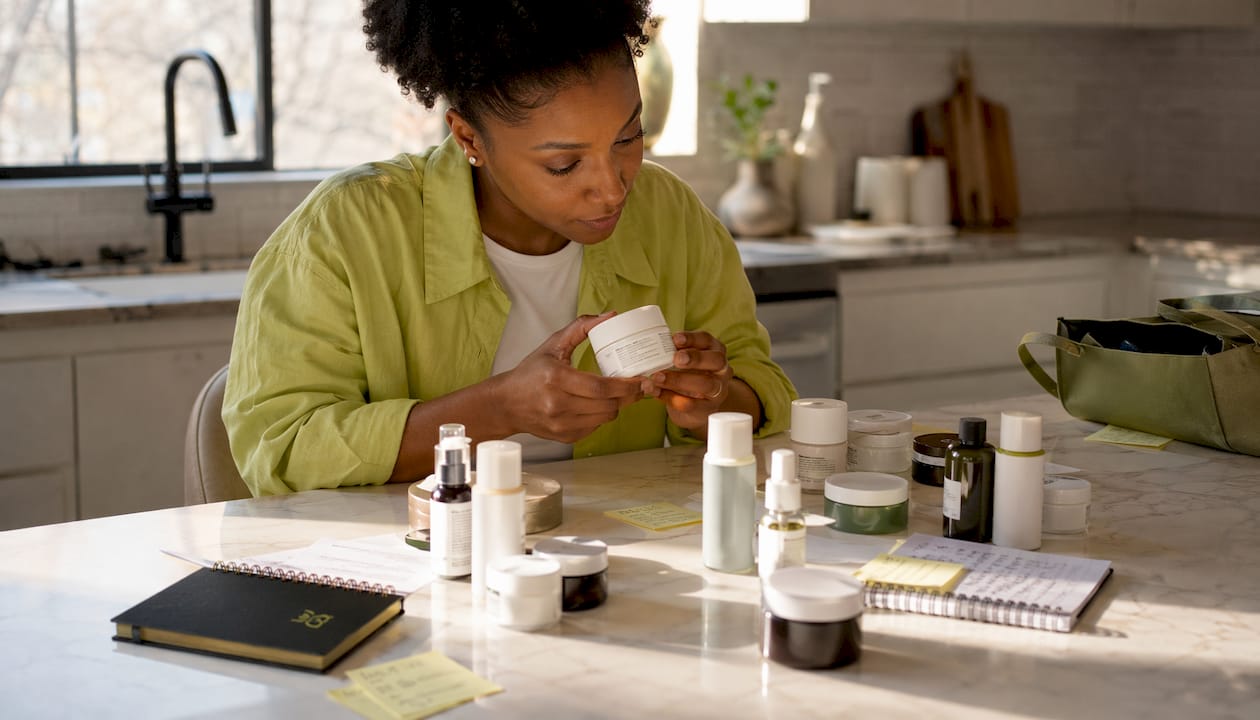
Avoiding contamination from the start also extends how long a product stays safe. Using a clean spatula to dispense creams and serums instead of fingers prevents bacterial transfer into the container, which can otherwise accelerate preservative breakdown and shorten the product’s effective life.
Best practices for managing and replacing expired skincare products
Knowing the risks is one thing. Building habits that actually protect your skin is another. A few consistent practices make a significant difference in how long your products stay safe and how quickly you catch the ones that have turned.
Audit your collection regularly. Go through your skincare and makeup every three to six months. Check PAO symbols, look for sensory changes, and toss anything that’s past its window or looks or smells off. Products you haven’t touched in months are often the ones most likely to have degraded quietly.
Store products correctly. Bathroom storage accelerates degradation because of heat and humidity fluctuations from showers. A bedroom dresser, a cool closet shelf, or a dedicated skincare fridge for serums and vitamin C products are all better options. Keep products away from direct sunlight and heat sources.
Additional practices worth building into your routine:
Always close lids and caps tightly after use to limit air exposure.
Never dilute a product with water to extend its life, particularly mascara, since this introduces bacteria and disrupts the preservative balance.
Use pump dispensers when possible; they limit air and finger contact far better than open jars.
Keep applicator brushes clean, washing them every seven to ten days to avoid transferring bacteria back into products.
Avoid sharing makeup or skincare tools, which spreads contamination between users.
Dispose of expired products responsibly. Don’t pour liquid products down the drain in large quantities, as some cosmetic ingredients can affect water systems. Many municipalities accept cosmetics in household hazardous waste programs. For solid or small-volume products, check your local guidelines. Some retailers also run take-back programs for empty or expired beauty packaging.
The beauty product shelf life question isn’t just about effectiveness. It’s a hygiene and health issue that deserves the same attention you’d give food expiration dates.
What dermatologists and cosmetic scientists say about expired skincare
The professional consensus on this topic is more serious than most consumers expect. Dermatologists don’t frame expired skincare as merely a waste-of-money problem. They frame it as a genuine health risk.
The American Academy of Dermatology warns that microbial contamination from expired products can cause infections including impetigo and folliculitis, both of which require medical treatment and can leave lasting skin damage if not addressed promptly. These aren’t rare edge cases. They’re predictable outcomes of using products whose preservative systems have failed.
Expert insight: Dermatologists emphasize that a product looking or smelling acceptable after its PAO date is not evidence of safety. Chemical changes in composition and microbial load can occur without any visible or olfactory signal, meaning the “sniff test” alone is not a reliable safety check.
Cosmetic scientists add important context about the role of environment. Heat, humidity, light exposure, and repeated container opening all significantly influence product stability, meaning two identical products can have very different safety profiles depending on how they’ve been stored. A serum kept in a cool, dark cabinet may still be effective at 14 months. The same serum left on a sunny bathroom counter may be compromised at eight.
Key takeaways from expert guidance:
PAO labeling exists for a reason; treating it as optional is a genuine risk, not just a conservative guideline.
Latent reactions from degraded ingredients can mimic other skin conditions, leading people to treat the wrong problem.
People with sensitive or compromised skin should apply stricter timelines than the PAO symbol suggests, not more lenient ones.
Hygienic application practices, clean tools, closed containers, and proper storage, extend safe use windows and reduce contamination risk.
For a deeper look at how antioxidants degrade in skincare and what that means for product safety, the science connects directly to why fresh formulations perform so differently from aged ones.
Fresh, quality skincare without the guesswork
If you’ve been second-guessing the products in your bathroom cabinet, that instinct is worth acting on. Essencezenith curates skincare and beauty products with a focus on quality, transparency, and sustainable ingredients, so you know exactly what you’re putting on your skin and when it was formulated.

Every product in the Essencezenith collection is selected for ingredient integrity and real efficacy, not just marketing claims. The store’s sustainable beauty essentials include fresh formulations with clear shelf-life information, making it straightforward to build a routine you can actually trust. Fast shipping means products arrive in optimal condition, not sitting in a warehouse for months before reaching you. And the 30-day satisfaction guarantee means if something doesn’t work for your skin, you’re not stuck with it.
Browse the collection at Essencezenith and replace the products you’re no longer sure about with ones you can feel confident using.
FAQ
What happens if you use expired products on your skin?
Expired products can cause redness, itching, breakouts, and in more serious cases, skin infections like impetigo or folliculitis. Active ingredients also lose potency, meaning sunscreens offer less UV protection and serums deliver fewer results.
Is it safe to use very old makeup that’s been unopened?
Unopened products last longer than opened ones, but they’re not indefinitely safe. Ingredients still degrade over time, and most manufacturers recommend using products within one to three years of manufacture even if unopened. Check for sensory changes before use.
Should you throw away expired skincare products?
Yes. Products past their PAO date or showing changes in color, odor, or texture should be discarded. Continuing to use them risks skin irritation, infection, and reduced efficacy from degraded active ingredients.
Can you use expired lotion if it still looks and smells fine?
Not reliably. Microbial contamination and chemical breakdown can occur without visible or olfactory signs. Dermatologists note that the absence of obvious changes doesn’t confirm a product is safe, particularly once it’s past its PAO window.
How do you find the expiration date on skincare products?
Look for the PAO symbol, an open jar icon with a number followed by “M,” which indicates how many months the product is safe after opening. If there’s no PAO symbol, check for a batch code and use the manufacturer’s website or a batch-code lookup tool to find the production date.
Key Takeaways
Expired skincare products don’t just lose effectiveness; they undergo chemical and microbial changes that can cause real skin damage, from irritation and breakouts to infections requiring medical treatment.
Point | Details |
Active ingredients degrade | Vitamin C, retinoids, and SPF filters break down over time, reducing protection and efficacy. |
Microbial contamination is common | Up to 90% of used cosmetics show microbial contamination, with risk increasing as products age. |
Reactions can be delayed | Latent skin reactions from expired products develop gradually, making the cause harder to identify. |
Storage location matters | Bathroom heat and humidity accelerate degradation; cool, dry storage extends safe product life. |
Essencezenith offers fresh alternatives | Essencezenith curates products with clear shelf-life information and a 30-day satisfaction guarantee. |
Recommended
Comments