
Multi Purpose Makeup Products That Simplify Your Routine
- Norman Church
- 3 days ago
- 8 min read

Choose a face-and-lip color stick, a tinted SPF or tint, and a lightweight balm or oil, and you have covered most daily looks with three products instead of ten. A compact multi-use palette rounds out the kit for anyone who wants eye color in the mix. These four multi purpose makeup products handle color, protection, and finish without a drawer full of single-use items competing for space.
Here’s what to grab depending on the situation:
Travel: a multi-stick for lips, cheeks, and lids, plus a tinted SPF, fits in a pouch with room to spare.
Everyday minimal looks: one color stick and a lightweight balm gets you out the door in under three minutes.
Long-wear needs: a cream-to-powder palette paired with a setting powder holds up through a full workday.
Sensitive or breakout-prone skin: skip heavy oils and pick fragrance-free balms or tinted SPFs instead.
WhoWhatWear’s editors consistently name color sticks and multi-use oils as the pieces that streamline a routine fastest, and NewBeauty’s 2025 coverage points to growing demand for exactly this kind of convenience. Fewer products means less suitcase weight, fewer purchases, and a faster morning. Essencezenith backs its picks with a satisfaction guarantee allowing you to test a new multipurpose format risk-free.
Key Takeaways
The most effective multi-purpose makeup routine pairs a color stick, a tinted SPF, and a balm or oil, chosen by skin type and applied in thin, buildable layers.
Point | Details |
Start with three formats | A color stick, tinted SPF, and balm or oil cover most daily looks without extra products. |
Match format to skin type | Balms suit dry skin, powder finishes suit oily skin, and sticks work best for combination skin. |
Layer thin to thick | Apply tinted base first, then cream color, then powder only where longevity matters most. |
Prioritize sealed packaging | Tubes and sticks limit air and bacterial exposure better than open palettes or pots. |
Shop Essencezenith for curated picks | Its multipurpose collection pairs sustainable ingredients with a 30-day satisfaction guarantee. |
Table of Contents
Top Multipurpose Product Categories and When to Choose Each
Not every multi-use product does the same job, and knowing the format matters as much as knowing the brand. Five categories cover almost everything a versatile makeup bag needs.
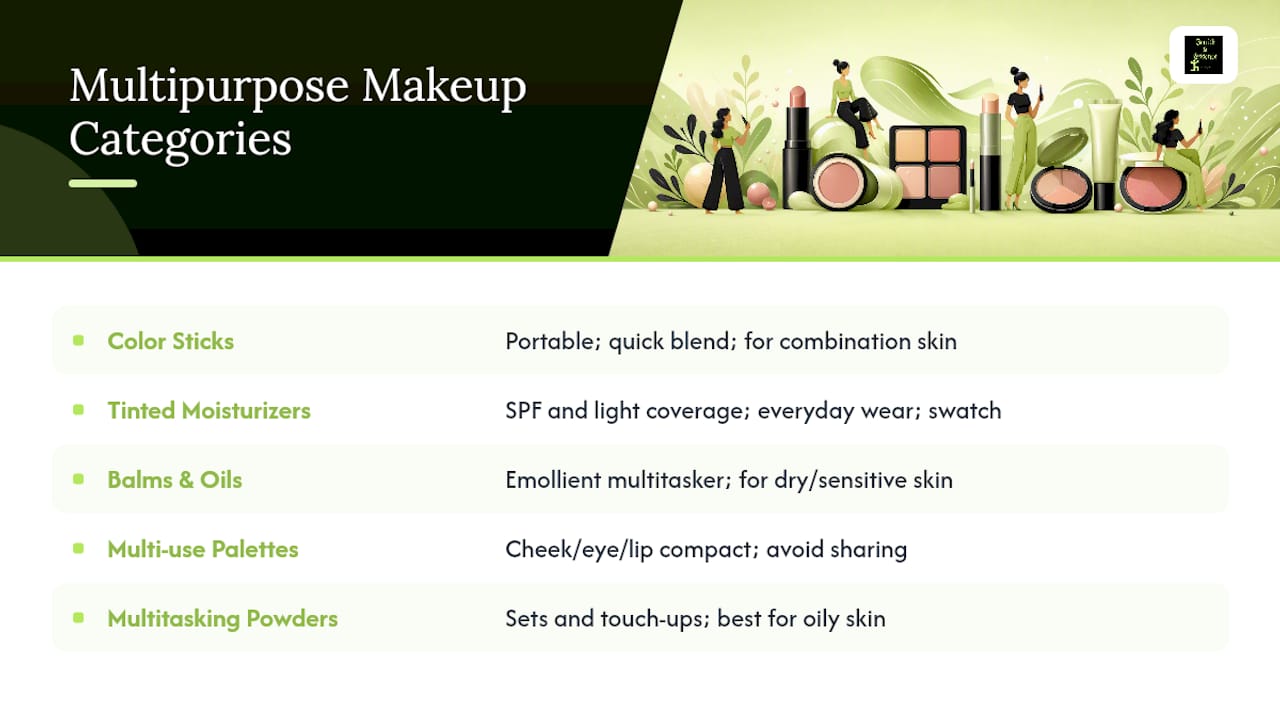
Multi-use color sticks handle cheeks, lips, and sometimes eyes in one twist-up tube. They’re the most portable option in this list and blend fast with a fingertip, though cream formulas can transfer onto collars or masks if you don’t set them. WhoWhatWear and IntoTheGloss both treat sticks as the backbone of a minimal kit for this reason.
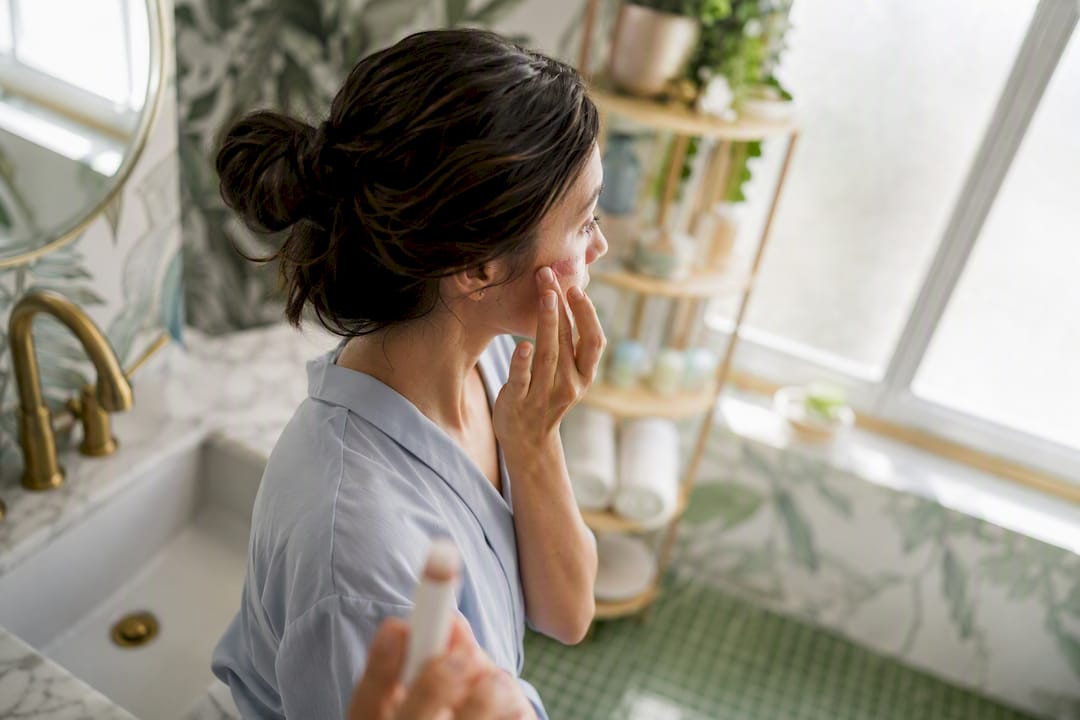
Tinted moisturizers and SPF tints combine skin protection with light coverage. They shine for everyday wear and skip-the-foundation days, but shade ranges on SPF tints tend to run narrower than dedicated foundation lines, so swatching before you buy matters more here than anywhere else.
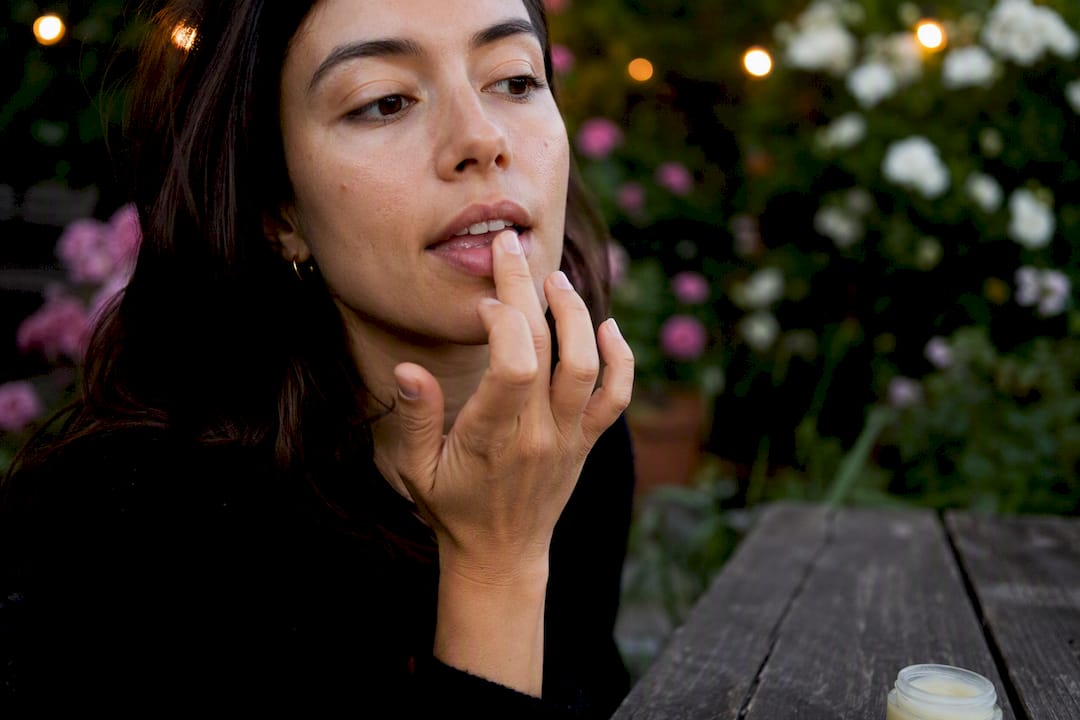
Balms and dry oils do double duty as cuticle treatment, highlighter, lip gloss, and even makeup remover. Allure’s roundups keep coming back to simple emollient balms because they’re inexpensive, low-risk, and genuinely multi-use rather than marketed that way.
Multi-use palettes, usually cream-to-powder formulas, pack cheek, eye, and lip shades into one compact. They’re the best pick for a cohesive color story but the hardest to keep sanitary if more than one person dips in.
Multitasking powders and setting products extend wear time on any of the above and double as a quick touch-up tool.
Oily skin does better with the powder-based options; dry and sensitive skin leans toward balms and tinted SPFs. Combination skin usually gets the most mileage out of a stick, since you can build coverage only where you need it. If you’re still working with a basic collection, upgrading a few key pieces first makes the switch to multi-use formats easier to judge.
How Do You Choose the Right Multipurpose Makeup Product?
The right pick depends on five factors, and skipping any one of them is how people end up with a stick that oxidizes orange or a balm that clogs their pores. Work through this checklist before you buy:
Skin type first. Dry skin wants balms and cream formulas; oily skin wants powder-finish sticks or oil-free tints.
Finish and coverage. Decide if you want dewy or matte, and whether you need buildable coverage or a sheer wash of color.
Scent and allergens. Fragrance-free is the safer default for anyone prone to irritation, especially on lips and around eyes.
SPF needs. If you’re relying on a tinted product for sun protection, confirm the label states broad-spectrum SPF, not just “with SPF.”
Packaging format. Sticks and tubes limit air exposure and bacterial contact better than open palettes or pots.
Shade-matching a multipurpose color takes a little more care than matching a single-use blush. Test the shade along your jawline, not your wrist, since wrist skin tone rarely matches your face. A shade that works beautifully as a cheek flush might read too pigmented for lips, so dab a small amount and build rather than swiping on full pressure.
Packaging affects more than convenience. Tubes and sticks seal against air and fingers, which slows bacterial growth and extends shelf life, a point WhoWhatWear and Allure both flag when comparing formats. Open palettes look pretty on a vanity but degrade faster once fingers are involved repeatedly.
For durability, sticks with a waxy base tend to resist transfer better than liquid tints, though liquids blend more seamlessly into skin. Expect to reapply lip and cheek color from a stick by midafternoon; a set powder buys you a couple more hours.
Pro Tip: Build a three-piece travel kit: one color stick for lips and cheeks, one tinted SPF for base coverage, and one balm for gloss, highlight, and cuticle care. That’s a full face in a pouch smaller than your palm.
How to Use Multi-Use Makeup on Face, Cheeks, Lips, and Eyes
Getting real mileage out of one product across multiple areas comes down to technique, not luck. A color stick applied the same way on lips and cheeks will look flat on one and overdone on the other.
Face: dot a tinted balm or stick on cheeks, nose, and chin, then blend outward with fingertips for a sheer, lit-from-within look.
Cheeks: pat, don’t rub. Patting builds a soft flush without disturbing whatever base you’ve already applied.
Lips: apply stick color directly, then press lips together to distribute evenly. Layer twice for more pigment.
Eyes: use a small brush or a clean fingertip, never the same swipe you just used on lips, and pat rather than drag to avoid creasing.
Apply thinnest layers first. Start with a tinted base, add cream color to cheeks and eyes next, then set with powder only where you need extra longevity. IntoTheGloss’s technique guide walks through exactly this kind of sequencing, and it’s the difference between a product that “does everything” and one that just looks muddy by noon.
Fingertips warm product and blend it seamlessly, a small brush gives more control for eyes, and a damp sponge is your best tool for stretching a cream formula across a larger area like the face. A minimal travel kit built around a few well-chosen tools beats a bag stuffed with brushes you’ll never use on the road.
Pro Tip: Build color in thin layers instead of one heavy swipe. Sheer applications blend into each other cleanly; heavy ones just sit on top and transfer onto everything they touch.
Are Multipurpose Makeup Products Safe for Sensitive Skin?
Multi-use formulas are generally safe, but the ingredients that make a balm feel luxurious on your lips can trigger breakouts on your forehead. A little caution before you commit to a new stick or oil saves you a week of irritation.
Patch test on your inner forearm and wait 24 hours before applying anywhere near your eyes or lips.
If no redness or itching appears, apply a small amount to your jawline and wear it for a full day.
Check the ingredient list for fragrance, limonene, and essential oils if you have a history of reactions.
For acne-prone skin, favor lighter balms over heavy occlusive oils, which sit closer to comedogenic territory.
If the product includes SPF, confirm the label states broad-spectrum protection before relying on it as your only sun defense.
NewBeauty’s coverage makes a point worth repeating: a tinted SPF is still sunscreen first. That means applying a full fingertip’s worth to your face, not the thin dab most people use for color, and reapplying every two hours if you’re outdoors. Treating it like a bonus feature rather than actual sun protection is one of the more common mistakes readers make with these products.
How These Recommendations Were Selected
These picks were built around five criteria: editorial curation from established beauty outlets, genuine format versatility (not just marketing language), ingredient transparency, travel-friendly packaging, and real user feedback on wear time. Testing involved wear checks across a full day, shade comparisons across multiple skin tones, and travel trials to confirm packaging actually survives a suitcase.
A multipurpose product only earns the label if it performs its second and third jobs as well as its first. A blush that smears when used as lip color isn’t multi-use, it’s just mislabeled.
Norman, Essencezenith’s editorial lead, oversaw this selection process alongside the brand’s product formulation guides.
When Multipurpose Products Shine, and When to Skip Them
Multipurpose products earn their keep when speed and packing light matter more than precision, a quick pack for a weekend trip, a low-effort weekday face. Where they fall short is anywhere you need exact color matching, like a foundation for uneven tone, or heavy oil control on very oily lids where a cream shadow just won’t last. Shared palettes also raise hygiene questions if more than one person is dipping in daily. For most everyday situations, though, a well-chosen stick or balm beats a ten-step routine. If you’re ready to build that kit, Essencezenith’s curated collection is a solid place to start.
Shop Zenith’s Curated Multipurpose Collection
Essencezenith built its multipurpose collection around a simple idea: the fewer products you touch each morning, the less you should have to guess about what’s in them. Every item is curated for sustainable, effective ingredients rather than filler, so a color stick or tinted balm here does its job without a long list of unnecessary additives.

What you get when you shop the collection:
Sustainably sourced ingredients chosen for real skin benefit, not just marketing claims
Shades built to coordinate across lips, cheeks, and eyes so mixing and matching is simple
Travel-ready packaging designed to survive a suitcase or gym bag
A 30-day satisfaction guarantee on unused items if a shade or formula doesn’t work for you
Fast shipping and transparent customer reviews so you know what you’re buying before it arrives
Pair any color stick with a small travel brush or compact case for touch-ups on the go, an easy add-on if you’re already checking out. Browse Essencezenith’s multipurpose picks and build a kit that fits in one small pouch instead of one crowded drawer.
Sources
FAQ
What Is the 2/3 Rule for Makeup?
The 2/3 rule suggests balancing your face by emphasizing either your eyes or your lips, not both at full intensity, so a bold lip pairs with softer eyes and vice versa. Multipurpose sticks make this easier since you naturally use lighter pressure on whichever feature you’re not emphasizing.
What Is the Best Multi-Stick Makeup Product?
The best multi-stick is one with a creamy, buildable formula that blends with a fingertip and works across lips, cheeks, and lids without settling into fine lines. Look for sealed tube packaging, which extends wear and limits contamination.
What Is the Best Multi-Use Makeup Palette?
The strongest multi-use palettes use cream-to-powder formulas that transition from cheeks to eyes without pilling, and include shades that coordinate rather than compete. Essencezenith’s curated picks are built around exactly this kind of shade coordination.
What Are the Top Multipurpose Products to Own?
A color stick, a tinted SPF or tint, a balm or dry oil, and a compact cream palette cover nearly every daily look. Add a setting powder if you need extended wear through a long day.
How Do I Avoid Common Mistakes With Multipurpose Makeup?
Apply thin layers and build gradually instead of swiping on full pigment at once, and never treat a tinted SPF as a substitute for real sunscreen application. Patch test new formulas, especially balms and oils, before wearing them on your full face.
Recommended
Comments