
Skincare for Dry Skin: Your Derm-Backed Routine
- Norman Church
- Aug 10
- 10 min read


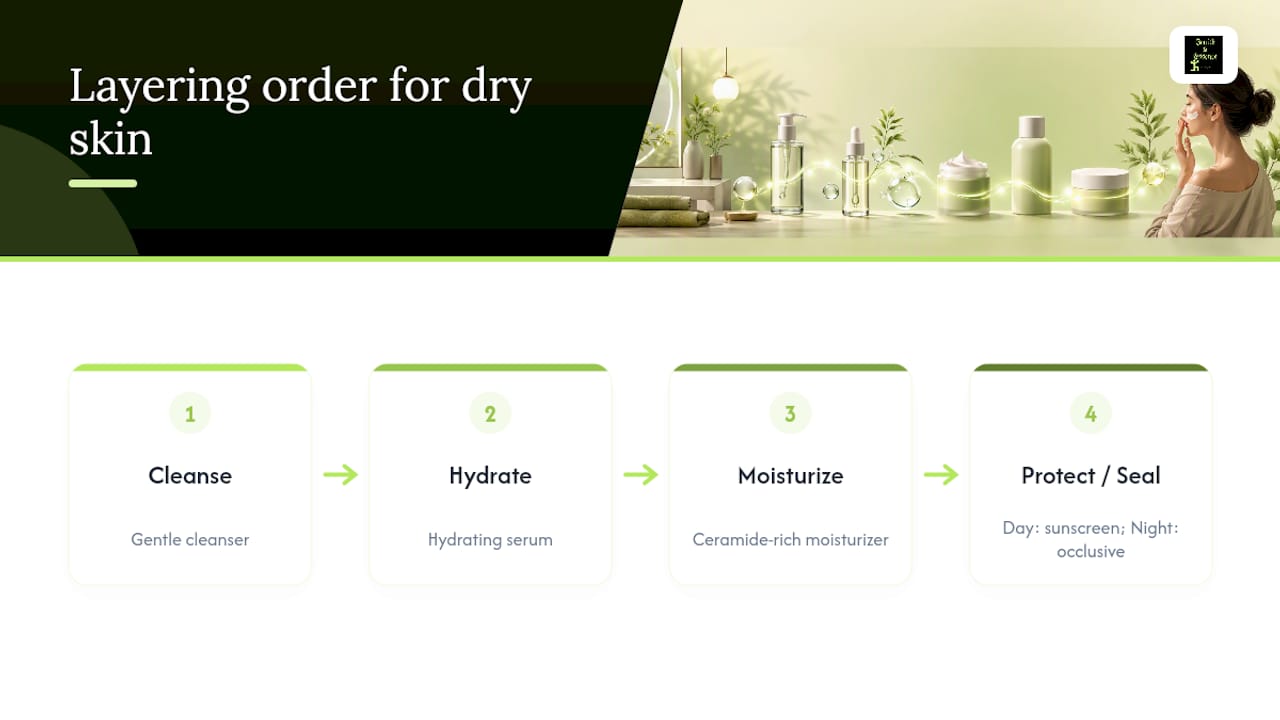
The most effective skincare for dry skin follows four steps: a gentle, non-foaming cleanse, a humectant serum, a ceramide-rich moisturizer applied to damp skin, and SPF every morning. That sequence, done consistently, handles the majority of dry-skin complaints without any complicated additions.
Your core routine at a glance:
Cleanse: Cream or oil-based cleanser (non-foaming, sulfate-free)
Treat: Hydrating serum with hyaluronic acid or glycerin
Moisturize: Rich cream with ceramides, applied while skin is still damp
Protect (AM only): Broad-spectrum SPF 30 or higher, mineral formula preferred for sensitive skin
According to the American Academy of Dermatology, applying moisturizer while skin is still damp and limiting showers to 5–10 minutes are among the most impactful steps for repairing dry skin.
Key Takeaways
Consistent barrier repair using ceramides, humectants, and occlusives applied in the right order is the most effective approach to skincare for dry skin.
Point | Details |
Apply moisturizer to damp skin | Do this within 60 seconds of cleansing to trap water and boost hydration. |
Choose fragrance-free, not “unscented” | “Unscented” may still contain masking agents that irritate dry, sensitive skin. |
Layer humectant then occlusive at night | Apply glycerin or hyaluronic acid serum first, then seal with petrolatum or a ceramide cream. |
Limit showers to 5–10 minutes | Hot, long showers strip natural lipids and undo barrier repair; use warm water instead. |
Essencezenith’s routine bundle | Gentle Cream Cleanser, Hydrating Facial Serum, Ceramide Night Cream, and Moisturizing Day Cream map directly to the AM/PM routine. |
Table of Contents
What does a daily skincare routine for dry skin look like?
The order matters as much as the products. Layering from thinnest to thickest texture lets each step absorb without pilling, and timing your moisturizer right after cleansing traps the water your skin just absorbed.
AM routine
Start with a cream or gentle gel cleanser, or skip cleansing entirely and rinse with cool water if your skin feels tight in the morning. Follow with a hydrating serum, hyaluronic acid being the most common, then press a ceramide-rich cream into slightly damp skin. Finish with a broad-spectrum SPF 30 or higher. Mineral formulas with zinc oxide or titanium dioxide tend to sit well on dry, reactive skin without the stinging some chemical filters cause.
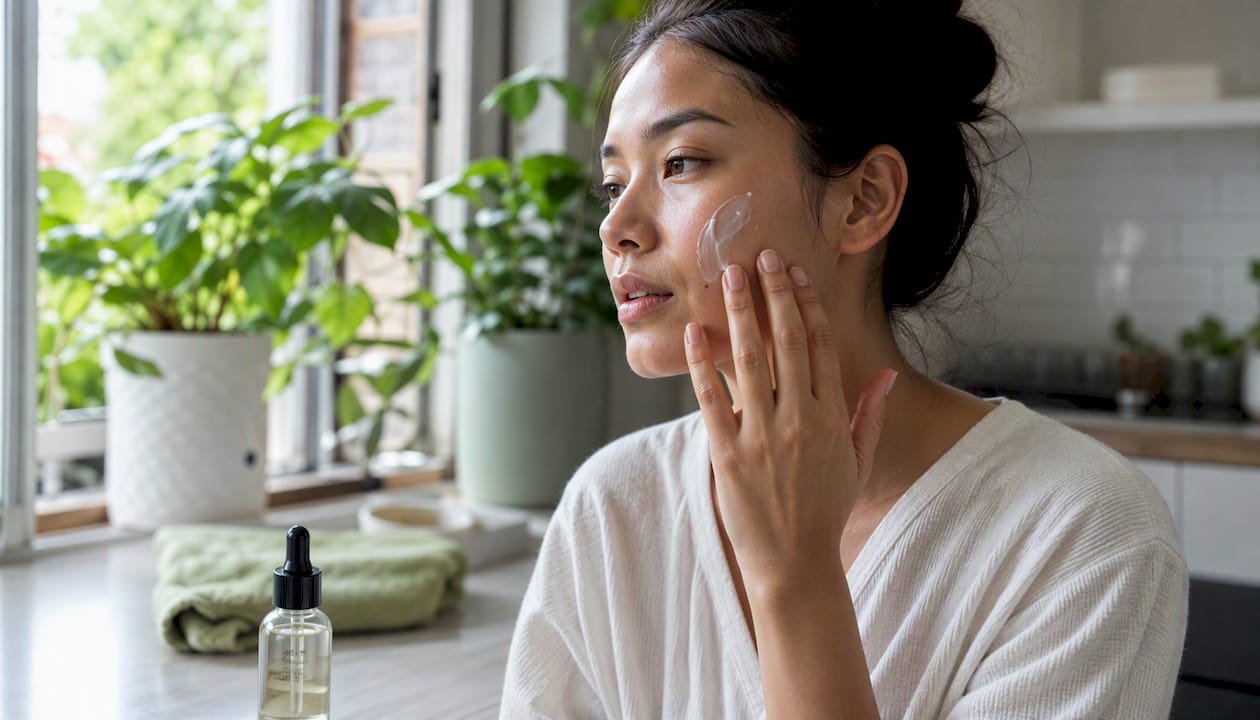
Pro Tip: Apply your moisturizer within 60 seconds of patting your face dry. That small window makes a measurable difference in how much water stays in the skin versus evaporating into the air.
PM routine
At night, if you wore sunscreen or makeup, start with an oil or balm cleanser to dissolve it, then follow with your gentle cream cleanser. Apply a hydrating treatment — a hyaluronic acid or glycerin serum works well here — then layer a repair-focused cream that contains ceramides. For very dry or fissured skin, seal everything with a thin layer of petrolatum or a dimethicone-based product. That occlusive layer is what actually stops water from leaving overnight.
For a deeper look at layering order and timing, the thin-to-thick principle applies across every step.
Which ingredients actually repair dry and sensitive skin?
Dermatologists frame dry skin as damaged skin, not just dehydrated skin. The goal is barrier repair, not cosmetic hydration alone. That distinction changes which ingredients you prioritize.
Humectants: drawing water in
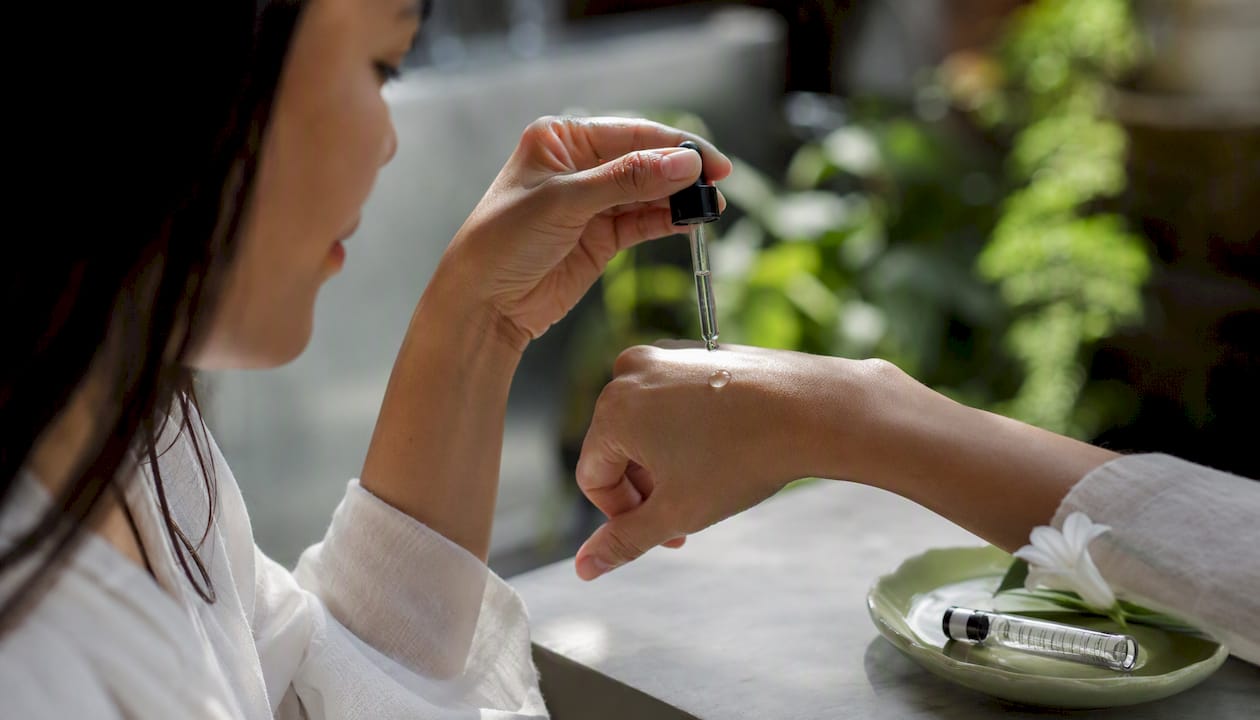
Hyaluronic acid and glycerin pull water from the environment and from deeper skin layers into the outer stratum corneum. They work fast and feel light, which is why they belong early in the routine. The catch: without something to seal them in, they can actually pull water out of skin in very dry, low-humidity environments. Always follow a humectant with an emollient or occlusive.
Barrier lipids: rebuilding structure
Ceramides, cholesterol, and fatty acids are the structural components of a healthy skin barrier. When the barrier is compromised, these lipids are depleted. Topical formulations that replenish them measurably reduce transepidermal water loss (TEWL). Squalane, a plant-derived oil, also fits here: it mimics skin’s natural sebum and absorbs without greasiness, making it a good option for sensitive skin that reacts to heavier emollients.

Products like CeraVe’s Intensive Moisturizing Cream combine ceramides with a urea-based complex specifically to restore barrier function and provide extended hydration for dry to very dry skin.
Occlusives: locking moisture in
Petrolatum, dimethicone, and mineral oil sit on top of the skin and physically block water from escaping. Petrolatum is the most effective occlusive available without a prescription. Use heavier occlusives at night, on hands, and on feet. Dimethicone is lighter and works well under makeup during the day.
Key ingredient quick-reference:
Hyaluronic acid: Morning serum, draws water to skin surface
Glycerin: Works in both AM and PM, mixes well with other actives
Ceramides: Daytime and nighttime moisturizers, core barrier repair
Squalane: Lightweight emollient, suits sensitive and acne-prone dry skin
Petrolatum: Nighttime occlusive, best for very dry or cracked areas
Dimethicone: Daytime occlusive, smooths texture under SPF
Soothing agents for sensitive skin
Niacinamide calms redness and supports barrier function. Panthenol (vitamin B5) draws moisture and speeds surface healing. Colloidal oatmeal, recognized by the FDA as a skin protectant, relieves itch and reduces inflammation. Avoid fragrance, denatured alcohol (listed as alcohol denat. or SD alcohol), and harsh sulfate surfactants like sodium lauryl sulfate. These are among the most common irritants for dry, reactive skin.
How do you choose the right products for dry, sensitive skin?
Shopping for dry skin is mostly about knowing what to avoid. A short checklist cuts through the noise.
Product checklist:
Labeled “fragrance-free” (not just “unscented” — more on that below)
Cream, oil, or balm cleanser texture; no foaming or lathering agents
Moisturizer lists ceramides, fatty acids, or cholesterol in the first half of the ingredient list
SPF labeled “mineral” or containing zinc oxide/titanium dioxide for sensitive skin
“Noncomedogenic” if you are also prone to breakouts
“Fragrance-free” vs. “unscented”: why it matters
Many people assume these labels mean the same thing. They do not. “Unscented” products often contain masking fragrance agents that neutralize odor but still appear in the formula and can irritate reactive skin. “Fragrance-free” means no fragrance compounds were added at all. For dry, sensitive skin, fragrance-free is the safer choice every time. The AAD confirms this distinction and recommends fragrance-free formulations specifically for dry skin care.
For more on reading labels and avoiding common pitfalls, this skincare basics guide covers the most frequent misunderstandings.
Patch-testing new products
Apply a small amount to the inside of your wrist or behind your ear and leave it for 48 hours without washing. If no redness, itching, or bumps appear, the product is likely safe for your face. Order trial sizes when available — most brands offer them, and they let you test before committing to a full-size purchase.
Face vs. body texture guidance: Facial skin is thinner and more reactive, so lighter cream textures work better there. Body skin tolerates heavier ointments and thicker creams, especially on legs, elbows, and feet where dryness tends to be most severe.
What mistakes make dry skin worse, and how do you fix them fast?
Most dry-skin routines fail not because of the wrong products but because of habits that undo the work.
Common mistakes and quick fixes:
Hot showers: Switch to warm water and cap showers at 5–10 minutes. Harvard Health recommends this specifically to preserve the skin’s natural lipid layer.
Over-exfoliation: Stop all acids and physical scrubs for at least one week. Reintroduce only a mild AHA (lactic acid works better than glycolic for dry skin) once or twice a week after the barrier has recovered.
Using “unscented” instead of “fragrance-free”: Swap immediately. The masking agents in unscented products are a common hidden irritant.
Alcohol-based toners: Replace with a hydrating toner or essence containing glycerin or panthenol.
Skipping SPF because it feels heavy: Switch to a mineral SPF with a moisturizing base. Many are formulated specifically for dry skin and double as a light moisturizer.
Low indoor humidity: Run a humidifier in your bedroom, especially during winter. Indoor heating drops humidity significantly, and that alone can reverse overnight barrier repair.
Frequent hand-washing without follow-up: Keep a fragrance-free hand cream at every sink. Apply immediately after drying hands.
Pro Tip: At night, apply your glycerin or hyaluronic acid serum to slightly damp skin, then immediately layer a petrolatum-based balm on top. This two-step combination — humectant draws water in, occlusive seals it there — is the fastest way to repair a compromised barrier while you sleep.
When does dry skin need a dermatologist?
A consistent routine handles most cases of dry skin within a few weeks. Some situations call for professional care, and waiting too long can let a manageable condition become a painful one.
Red flags that warrant a dermatology visit:
Itching severe enough to interrupt sleep or daily activities
Skin that bleeds, cracks deeply, or develops open sores
Signs of infection: warmth, swelling, oozing, or yellow crusting
Eczema or dermatitis symptoms that do not improve after four to six weeks of consistent OTC care
Sudden widespread rash with no obvious trigger
The Mayo Clinic notes that very dry or intensely itchy skin may require clinician-prescribed treatments such as topical hydrocortisone, and that some OTC anti-itch products can actually worsen dryness when used without guidance. Cool, damp cloths are the safer first-aid step for acute itch while you wait for an appointment.
What a dermatologist may do
Expect a review of your current products, a skin exam, and possibly a patch test to identify contact allergens. Prescriptions may include topical corticosteroids for inflammation, nonsteroidal options like crisaborole or tacrolimus for eczema, or prescription-strength barrier-repair creams. If dry skin is sudden and severe, a dermatologist may also screen for underlying conditions: hypothyroidism, kidney disease, and diabetes can all manifest through skin changes.
Bring a list of every product you currently use and, if possible, photos of the affected areas taken over several weeks. That documentation shortens the diagnostic process considerably.
Why does barrier repair work? The science behind it
Healthy skin holds water through a layered lipid matrix in the outermost layer, the stratum corneum. When that matrix is disrupted — by harsh cleansers, environmental exposure, or genetic factors — water escapes faster than the skin can retain it. This is transepidermal water loss, and it is the core mechanism behind dry, flaky, tight-feeling skin.
Peer-reviewed research confirms that topical formulations containing ceramides, cholesterol, and fatty acids restore this lipid matrix and reduce TEWL in patients with xerosis and barrier dysfunction. A second clinical review supports the combined use of humectants to attract water and occlusives to prevent its escape, validating the layered approach described throughout this guide.
The AAD’s clinical guidance on dry skin reinforces these principles: avoid harsh deodorant soaps, apply moisturizer while skin is damp, and choose fragrance-free formulations. These are not marketing suggestions. They reflect the underlying physiology of how the barrier works and what disrupts it.
*Editorial note: This guide was developed with reference to AAD clinical guidelines, Mayo Clinic treatment protocols, and peer-reviewed dermatology literature…
What realistic improvement looks like over time
The first week of a consistent barrier-focused routine usually brings one noticeable change: less tightness after washing. That is the cleanse-and-moisturize-on-damp-skin step doing its job. Flaking tends to reduce in the second week, and by weeks three and four, most people notice their skin holds moisture longer between applications.
Two to three months in, with consistent ceramide use and no major irritant exposure, the barrier itself starts to function better. You may need less product to achieve the same result.
What actually helped most, based on the pattern across consistent users: switching from a foaming cleanser to a cream formula, adding a nightly occlusive step, and running a humidifier in the bedroom. The humidifier change is the one people underestimate.
Trial-and-error is normal. Consumer testing consistently shows that most people try several products before finding a combination that works for their specific skin. Adjust one variable at a time, give each change at least two weeks, and resist the urge to overhaul the whole routine when one step is not working.
Essencezenith’s picks for your dry-skin repair routine
Dry skin needs products that actually match the routine, not just ones that sound good on a label. Essencezenith curates each product for ingredient quality and barrier-focused formulation. The bundle below maps directly to the AM/PM sequence described in this guide.

The Gentle Cream Cleanser is non-foaming and sulfate-free, built for the first step of both your morning and evening routine. Follow it with the Hydrating Facial Serum, which delivers hyaluronic acid and glycerin to damp skin before your moisturizer goes on. At night, the Ceramide Hydrating Night Cream handles barrier repair while you sleep, and the Moisturizing Day Cream covers your daytime hydration and protection needs.
Every Essencezenith product ships fast and comes with a 30-day satisfaction guarantee on unused items. If a formula does not work for your skin, returning it is straightforward. Visit the Essencezenith shop to check current availability, browse trial sizes, and find the right starting point for your routine.
Sources
The following sources informed the clinical guidance, ingredient rationale, and product-selection rules in this guide.
This article is general information, not a substitute for advice from a qualified doctor. Consult a qualified healthcare professional about your own circumstances before acting on anything here.
FAQ
What skincare routine works best for dry skin?
A four-step routine covers most cases: gentle cream cleanser, hydrating serum (hyaluronic acid or glycerin), ceramide-rich moisturizer applied to damp skin, and SPF 30 or higher in the morning. At night, replace SPF with an occlusive like petrolatum or a ceramide night cream.
Which products are best for dry skin?
Dermatologists recommend cream or oil-based cleansers, ceramide-containing moisturizers, and fragrance-free formulations. CeraVe’s Intensive Moisturizing Cream is a widely cited example, combining ceramides with a urea complex for extended hydration.
What is the best thing to put on dry skin immediately?
Apply a ceramide-rich cream or a petrolatum-based balm to damp skin right after cleansing. For acute dryness or itching, the Mayo Clinic recommends a cool, damp cloth for immediate relief while you assess whether a dermatologist visit is needed.
How long does it take for a dry-skin routine to work?
Most people notice reduced tightness within the first week and less flaking by weeks two to four. Meaningful barrier improvement, where skin holds moisture longer on its own, typically takes two to three months of consistent use.
Can Essencezenith’s products work for sensitive dry skin?
Yes. Essencezenith’s Gentle Cream Cleanser, Hydrating Facial Serum, and Ceramide Hydrating Night Cream are formulated without harsh surfactants and focus on barrier-supporting ingredients suited to dry, reactive skin. The 30-day satisfaction guarantee lets you test them with no long-term commitment.
Recommended
Comments