
Fix Your Shave, Clear Strawberry Legs: Practical Dermatologist Backed Treatment


The most effective strawberry legs treatment combines three things done consistently: correct shaving technique, regular chemical exfoliation with AHA or BHA, and daily moisturizing. Stick with it and you’ll usually see visible smoothing in 6 to 12 weeks, with lingering dark spots taking 4 to 6 months to fade. If a bump turns painful, pus-filled, or starts spreading, stop treating it at home and call a doctor.
TL;DR:
Proper shaving technique, including exfoliation with BHA or AHA and daily moisturizing, is essential for effective long-term strawberry legs treatment.
Identifying the root cause, such as clogged follicles, keratosis pilaris, ingrown hairs, or hyperpigmentation, guides personalized treatment approaches.
Combining routine shaving, chemical exfoliation, and hydration yields visible smoothing within six to twelve weeks, but dark spots may take four to six months to fade.
Home care usually suffices for most cases, but persistent or painful bumps require a dermatologist’s evaluation and possible prescription medications or in-clinic procedures.
Avoid layering physical scrubs and chemical exfoliants on the same day, and prioritize fixing shaving technique before investing in products for faster, safer results.
Table of Contents
What Causes Strawberry Legs?
Strawberry legs isn’t one condition. It’s a description of how skin looks when several different things are happening underneath, and treating the wrong one is why so many people feel stuck despite doing “everything right.”
The Cleveland Clinic identifies it as an umbrella term covering clogged follicles, keratin buildup, ingrown hairs, and low-grade folliculitis. Each has a slightly different look and a different fix.
Oxidized comedones: Dark specks that look like dirt but are actually oil and dead skin cells that turned dark on contact with air, similar to how a cut apple browns.
Follicular hyperkeratosis (keratosis pilaris): Small, rough, flesh-colored or red bumps that feel like sandpaper rather than looking dark. If this is you, the keratosis pilaris skincare approach overlaps heavily with strawberry legs treatment.
Pseudofolliculitis (ingrown hairs): Red, sometimes inflamed bumps that appear mainly after shaving, often with a visible curled hair trapped underneath.
Post-inflammatory hyperpigmentation (PIH): Flat brown or dark patches left behind after irritation has already healed. This one takes the longest to fade.
Look closely before you shop for a fix. Sandpapery texture points to keratosis pilaris; dark pinpoints point to oxidized comedones; anything that flares right after shaving is probably ingrown hairs.
How Do You Build a Routine That Actually Works?
Most people treat strawberry legs with one product and quit after two weeks. A routine that addresses shaving, exfoliation, and hydration together works faster because it hits multiple causes at once instead of gambling on a single mechanism.
1. Cleanse and moisturize daily, without exception. Use a gentle, non-stripping wash, then apply a moisturizer immediately while skin is still damp. Look for urea or niacinamide on the label. Urea softens the keratin plugs behind rough texture, and niacinamide calms redness and helps fade the dark marks left by old irritation.
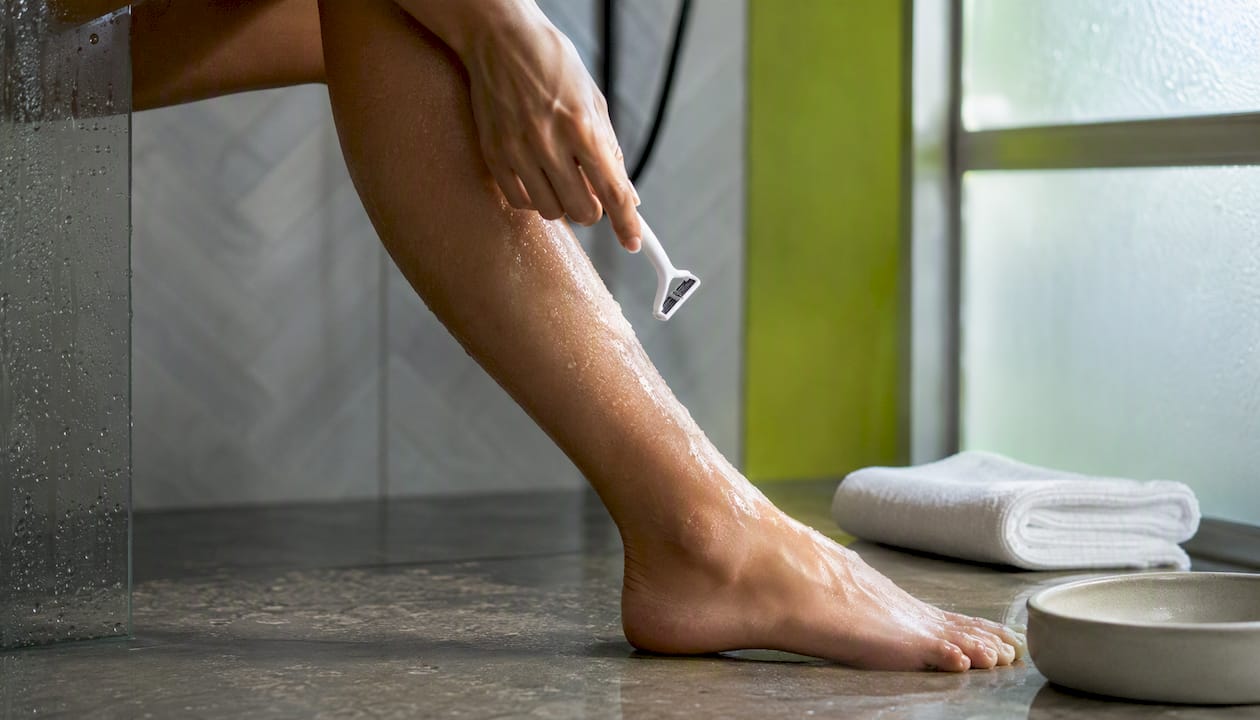
2. Fix your shaving technique before anything else. Shave in a warm shower after a few minutes of steam, always with the grain of hair growth rather than against it, and use a moisturizing shave cream rather than plain soap. Swap the blade regularly. Dermatologists interviewed by Vogue point to dull blades and shaving against the grain as the single biggest driver of the microtrauma that leads to strawberry legs in the first place. Dry shaving is worth cutting out entirely.
3. Add chemical exfoliation 2 to 3 times a week. Salicylic acid (a BHA) cuts through oil and dead skin to unclog follicles, which helps most with the dark speck pattern. Lactic and glycolic acid (AHAs) smooth rough texture and fade discoloration over time. Patch-test on your inner arm for 24 hours before applying anywhere near freshly shaved skin.
4. Use physical exfoliation sparingly, not as your main tool. A scrub or exfoliating mitt once a week can help slough off dead skin, but pressing too hard or scrubbing too often creates micro-tears that make redness and dark spots worse. Dermatology literature backs gentler chemical exfoliation over aggressive scrubbing for exactly this reason.
A sample week looks like: Monday and Thursday, chemical exfoliant. Tuesday and Saturday, light physical scrub if skin tolerates it, such as a sugar scrub with arbutin. Moisturize every single day, shave only when needed, and follow shaving with a fragrance-free cream rather than a scented lotion.
Pro Tip: Never layer a physical scrub and a chemical exfoliant on the same day. That combination is the fastest route to irritation, and irritation is exactly what causes the dark marks you’re trying to get rid of.
Are Laser Hair Removal or Electrolysis Worth It?
Home care solves most cases, but some people want the problem gone at the root, literally. That’s where professional and prescription options come in.
Epilators and waxing remove hair from the root, which means fewer regrowth cycles poking the follicle. The tradeoff is a higher risk of ingrown hairs right after treatment, since the new hair can grow back at an odd angle.
Laser hair removal and electrolysis reduce the density of follicles causing the bumpy, dark appearance in the first place. Expect multiple sessions, and know that neither method guarantees permanence for every hair type. Darker skin tones need a provider experienced with adjusting laser settings, since the wrong wavelength raises the risk of burns or pigment changes.
Prescription topicals, including tretinoin and higher-strength AHA or BHA formulas, work faster than over-the-counter versions but increase sun sensitivity. Daily sunscreen isn’t optional once you start one.
In-clinic chemical peels go deeper than at-home exfoliants and can speed up fading, though they carry the same PIH risk in darker skin if aftercare is skipped.
Anyone with a deeper skin tone should get clinician guidance before committing to laser or a strong peel. The line between “improvement” and “new pigmentation problem” is thinner than most marketing admits.
When Should You See a Dermatologist?
Most strawberry legs cases are cosmetic and respond to home care within a couple of months. A few signs mean it’s not just cosmetic anymore.
Bumps that are painful to the touch, not just visually annoying
Visible pus, warmth, or a bump that looks infected rather than irritated
Redness that spreads outward instead of staying contained to the follicle
Recurring painful bumps in the same spots despite a consistent routine
Any of those point toward folliculitis, which may need antibiotics or antifungals rather than a better moisturizer. A dermatologist visit usually means a quick skin exam, sometimes a swab if infection is suspected, and a prescription plan. Expect improvement within one to two weeks on the right prescription, versus the months-long timeline of at-home care for cosmetic cases.
Who’s Behind This Advice, and Where Does Zenith Fit In?
This guide draws on dermatology-backed sourcing rather than guesswork, and it’s built around what actually happens to skin over weeks and months of consistent care, not overnight fixes that don’t exist.
A treatment routine only works if you can actually stick with it and trust what’s in the bottle. That’s the gap most strawberry legs advice ignores: it names the right ingredients but never tells you what concentration, how often, or what to expect in month one versus month three.
Essencezenith curates products with published ingredient lists, so you can check the AHA percentage or confirm a moisturizer is fragrance-free before checkout. Every purchase comes with a 30-day satisfaction guarantee, and every routine addition deserves a patch test first, regardless of how gentle the label sounds.
Where Conventional Strawberry Legs Advice Falls Short
Most articles on strawberry legs treat it as a single problem with a single fix: buy this scrub, use it daily, done. That advice fails a lot of readers because it ignores which mechanism is actually driving their case. Someone dealing with keratosis pilaris and someone dealing with post-shave ingrown hairs need different first moves, even though both look like “bumpy dark legs” from across the room.
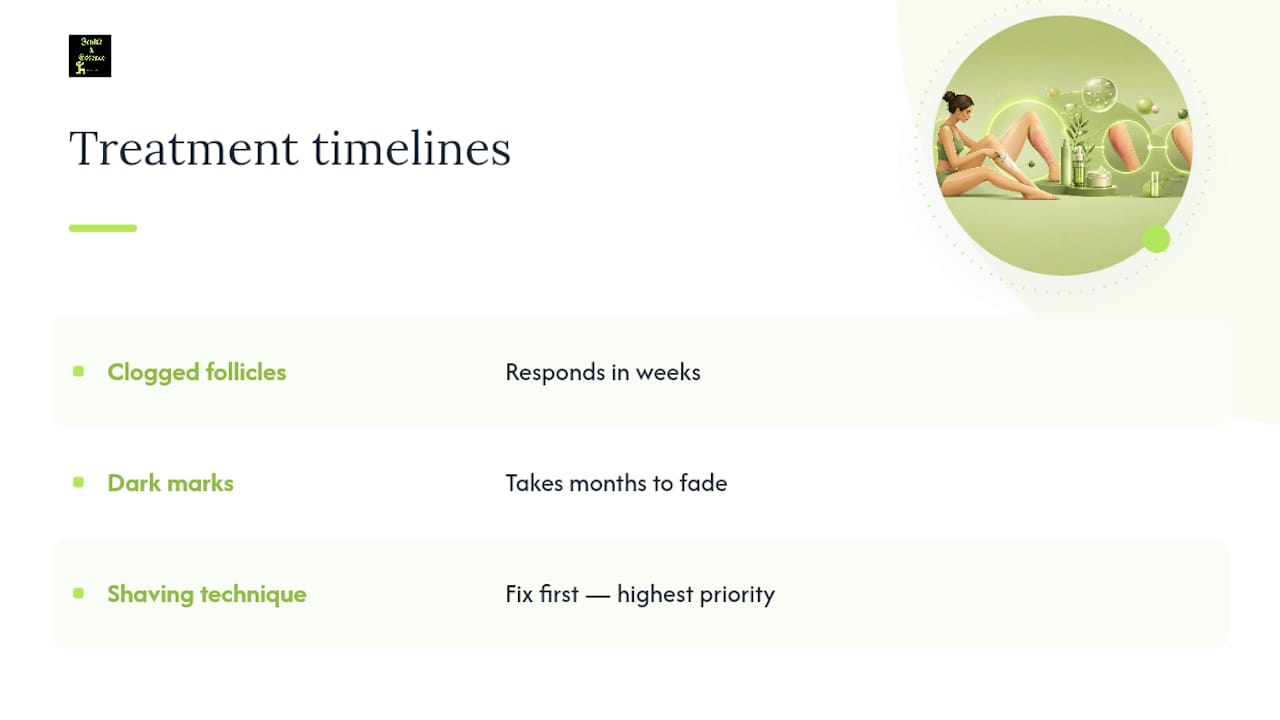
The bigger miss is timeline honesty. Plenty of product pages imply results in days. The research doesn’t support that. Rough texture and clogged follicles respond in weeks; the dark marks left behind by past irritation take months, because pigment fades on its own clock regardless of how good your moisturizer is.
If you take one thing from this, prioritize shaving technique before you buy a single new product. A dull blade undoes every exfoliant and moisturizer you layer on top of it. Fix that first, then build the rest of the routine around it.
— Norman
Building Your Strawberry Legs Routine With Zenith
You don’t need five different brands to run this routine. Essencezenith maps each step, exfoliation, shaving aftercare, and daily hydration, to products with ingredient lists you can actually read before buying, which beats guessing from a listing photo.

For the scrub step, the Pink Champagne Whipped Sugar Scrub works well once or twice a week as the physical exfoliation piece of the routine above. For daily cleansing with a light exfoliating boost, the aromatherapy exfoliating body wash fits the “gentle and consistent” rule better than a harsh daily scrub. And for the moisturizing step that matters most, especially on PIH-prone areas, the Herbal Magic Moisturizing Cream or the richer Pink Champagne Body Butter both work as fragrance-conscious options.
Patch-test anything new for 24 hours, follow the directions on the product page, and know that every order carries a 30-day satisfaction guarantee if a product isn’t the right fit for your skin. Browse the full lineup at Essencezenith and start with whichever step your current routine is missing.
This article is general information, not a substitute for advice from a qualified doctor. Consult a qualified healthcare professional about your own circumstances before acting on anything here.
Sources
FAQ
How do I get rid of strawberry legs fast?
There’s no overnight fix, but the fastest realistic path is fixing your shaving technique immediately, adding a BHA or AHA exfoliant 2 to 3 times a week, and moisturizing daily. Visible smoothing typically shows up within 6 to 12 weeks.
What is the main cause of strawberry legs?
There isn’t a single cause. The Cleveland Clinic lists clogged follicles, keratin buildup (keratosis pilaris), ingrown hairs from shaving, and mild folliculitis as the four most common drivers, and treatment differs depending on which one you’re dealing with.
What is the best cream for strawberry legs?
Look for a moisturizer with niacinamide, urea, or both. Niacinamide calms redness and fading discoloration, while urea softens the rough keratin plugs behind textured bumps, and both work best applied immediately after cleansing or shaving.
Can coconut oil reduce strawberry legs?
Coconut oil moisturizes and can temporarily make skin look smoother, but it has no exfoliating action and doesn’t address clogged follicles or ingrown hairs. It works better as a light barrier moisturizer alongside an actual AHA or BHA exfoliant than as a standalone treatment.
Is strawberry legs the same as keratosis pilaris?
Not always. Strawberry legs is the visual description; keratosis pilaris is one specific cause of it, marked by rough, sandpaper-like bumps rather than dark pinpoint spots. Someone can have strawberry legs from ingrown hairs alone with no keratosis pilaris involved at all.
Recommended
Comments