
Sustainable Activewear Brands Worth Your Money in 2026

Essencezenith recommends Essence Zenith as the strongest all-around pick for shoppers who want transparent sourcing, verified certifications, and a real return policy behind their leggings and sports bras. It is the option we can vouch for directly, and it holds up against the category alternatives below on materials disclosure and customer service.
Beyond that, the field breaks into clear lanes rather than one universal winner. If avoiding microplastic shedding is your top priority, look at tree fiber and eucalyptus based lines instead of recycled polyester. If fit range matters more than fabric science, prioritize brands that publish extended size charts and real model diversity in their product photos. And if budget is the constraint, organic cotton blends from mainstream retailers often beat boutique labels on price without sacrificing GOTS certification.
Here is the shortlist logic in brief:
Best overall trust and transparency: Essence Zenith, for certified sourcing claims and a 30-day satisfaction guarantee that removes the risk of buying sight unseen.
Best for low-microplastic fabrics: brands built on eucalyptus pulp, TENCEL lyocell, or organic cotton rather than virgin or recycled polyester.
Best for inclusive sizing: labels that publish size ranges past 3XL and show them worn, not just listed on a chart.
Best budget option: organic cotton basics with GOTS certification, typically $30 to $55 per piece.
The reason these lanes matter: the average gym legging on the market today runs about 88% polyester, a synthetic that sheds microfibers with every wash. Certifications like GOTS and OEKO-TEX exist precisely to give you a way to verify claims instead of trusting a marketing label at face value.
Key Takeaways
Sustainable activewear works best when you match fabric type to your specific use case rather than chasing a single “best” brand across every category.
Point | Details |
Verify certifications, not labels | Look for named bodies like GOTS or OEKO-TEX rather than vague “eco-friendly” marketing language. |
Know your polyester baseline | The average gym legging runs about 88% polyester, which sheds microfibers with every wash. |
Match fabric to activity | Choose tree-fiber or organic cotton options for high-sweat workouts to reduce chemical exposure concerns. |
Check the return and repair policy | A strong 30-day window signals a brand stands behind its durability claims. |
Essence Zenith for verified transparency | Essencezenith curates sourcing-disclosed activewear with a 30-day satisfaction guarantee for shoppers who want proof, not promises. |
Table of Contents
What Makes a Sustainable Activewear Brand Worth Buying?
A brand earns “sustainable” status by scoring well across several independent factors, not one. The dimensions that actually separate a trustworthy pick from a greenwashed one: fiber source, chemical safety certification, manufacturing transparency, durability, and what happens to the garment at end of life.
Category | Materials & claims | Certifications & transparency | Price range | Size inclusivity | Performance & durability | Availability |
Essence Zenith (featured) | Curated pieces prioritizing recycled and bio-based fibers with sourcing disclosed on product pages | Vendor certifications verified before listing; transparent return policy | $35 to $95 | Standard to extended, expanding by category | Wear-tested selections with customer review visibility | Direct-to-consumer online |
Tree-fiber specialists | Eucalyptus pulp, TENCEL lyocell, closed-loop solvent processes | Often OEKO-TEX tested; closed-loop claims traceable to named process | $45 to $90 | Limited on some lines, improving | Strong breathability, moderate compression durability | Mostly direct-to-consumer |
Recycled-fiber mainstreams | Recycled polyester and nylon (rPET, ECONYL-type inputs) | Bluesign or recycled-content certification common | $30 to $70 | Wide range, mainstream retail scale | Good compression and shape retention, sheds microfiber | Retail and marketplace |
GOTS-certified organic cotton | Organic cotton, sometimes blended with elastane | GOTS certification standard, sometimes Fair Trade | $30 to $65 | Moderate, varies by brand | Breathable, less compressive, slower drying | Direct-to-consumer and boutique retail |
Inclusive-size specialists | Mixed fiber approaches, varies by brand | Certification less consistent across this category | $40 to $80 | Extended sizing as core brand focus | Fit-first design, durability varies | Mostly direct-to-consumer |
Budget sustainable options | Organic cotton blends, some recycled content | Basic GOTS or OEKO-TEX certification | $20 to $45 | Limited range typically | Adequate for light activity, shorter lifespan | Retail chains and online |
A few things worth flagging before you scan this table for a shortcut: certification only means something when it is third-party verified, not self-declared. A tag that says “eco-friendly workout clothes” on the hangtag proves nothing on its own. Ask whether the brand names the certifying body and can produce a certificate number, because that single question filters out most greenwashing in under a minute.
Which Sustainable Activewear Brands Should You Actually Consider?
Essence Zenith curates pieces built on recycled and bio-based fiber blends, disclosing sourcing details on individual product pages rather than burying them in a general sustainability statement. Standout categories include leggings and sports bras made with recycled synthetic blends alongside newer bio-based options, priced between $35 and $95 depending on the garment. Sizing spans standard ranges with extended options growing by category, and every purchase carries the same 30-day satisfaction guarantee that covers the rest of the Essencezenith catalog, meaning unworn items can go back without a fight over receipts or reasons.
Pro Tip: Before buying anything labeled “sustainable,” check the product page for a named certification body (GOTS, OEKO-TEX, Bluesign) rather than a vague claim like “eco-conscious materials.” If the brand cannot name who verified the claim, treat it as marketing copy, not proof.
Beyond Zenith, the market splits into recognizable categories. Several named brands anchor these categories in the current market, including Girlfriend Collective, Patagonia, Pact, Organic Basics, Vuori, Boody, Outdoor Voices, Athleta, and WOLVEN, each representing a different tradeoff profile worth understanding before you shop.
Tree-fiber specialists
Brands working with eucalyptus pulp and TENCEL lyocell lean on a genuinely different manufacturing process. Lyocell production uses a closed-loop solvent system where the chemical is recovered and reused rather than discharged, and some activewear lines built on eucalyptus-derived fiber market themselves as fully plant-based, which sidesteps the microplastic shedding problem synthetic fabrics create entirely.
Materials summary: eucalyptus pulp, TENCEL lyocell, sometimes blended with a small percentage of elastane for stretch.
Certifications to verify: OEKO-TEX Standard 100 for chemical safety, plus documentation of the closed-loop solvent process.
Performance tradeoffs: excellent breathability and moisture-wicking, but compression retention over time lags behind polyester blends.
Price range: $45 to $90.
Where to buy: primarily direct-to-consumer online, limited retail presence.
Recycled-fiber mainstreams
Brands like Girlfriend Collective and Outdoor Voices built their reputations on recycled polyester and nylon, often certified through Bluesign or similar recycled-content standards. This category reduces virgin plastic extraction, a genuine environmental win, but it does not solve the shedding problem. Recycled polyester still releases microfibers in the wash at rates comparable to virgin polyester, since the shedding issue is tied to the fiber structure, not its origin.
Materials summary: recycled PET bottles or recycled nylon (often ECONYL-type inputs), sometimes blended with spandex.
Certifications to verify: Bluesign approval, recycled-content percentage disclosure, GRS (Global Recycled Standard) certification.
Performance tradeoffs: strong shape retention and compression, quick drying, but continued microfiber shedding during laundering.
Price range: $30 to $70.
Where to buy: direct-to-consumer sites plus wider marketplace distribution.
GOTS-certified organic cotton options
Pact and similar organic cotton focused labels build around GOTS certification, which governs both the farming practices and the chemical inputs used in dyeing and finishing. Some brands pair GOTS certification with Cradle to Cradle standards and biodegradable elastane blends, which pushes circularity further than cotton alone can manage.
Materials summary: organic cotton, occasionally blended with recycled or biodegradable elastane for stretch.
Certifications to verify: GOTS (covers farming and processing), Fair Trade Certified where labor claims matter to you.
Performance tradeoffs: breathable and soft, but less compressive support and slower drying than synthetic blends. Better suited to yoga and low-intensity training than high-sweat cardio.
Price range: $30 to $65.
Where to buy: direct-to-consumer and select boutique retail.
Inclusive-size specialists
Athleta built its reputation partly on extended sizing that goes beyond the industry standard range, a factor that matters as much as fiber content if standard cuts do not fit your body. This category varies more on certification consistency, so check materials claims individually rather than assuming inclusive sizing implies verified sustainability credentials.
Materials summary: varies widely, from recycled polyester blends to organic cotton, depending on brand.
Certifications to verify: check case by case, as this category is less standardized on third-party verification.
Performance tradeoffs: fit quality across sizes is the strength; fabric durability and sustainability credentials vary more than in other categories.
Price range: $40 to $80.
Where to buy: primarily direct-to-consumer, with growing retail chain presence.
Budget sustainable options
Boody and similar bamboo-based or budget organic cotton lines prove sustainability does not require premium pricing. Bamboo viscose processing varies by manufacturer, so certification matters more here than the fiber name alone. A cheap “bamboo” claim without OEKO-TEX backing tells you very little about how the fabric was actually processed.
Materials summary: organic cotton or bamboo viscose, occasionally blended with limited synthetic content for stretch.
Certifications to verify: GOTS or OEKO-TEX at minimum, given how much bamboo processing varies.
Performance tradeoffs: adequate for walking, light yoga, and daily wear, but shorter lifespan under high-intensity training.
Price range: $20 to $45.
Where to buy: retail chains and mainstream online marketplaces.
How Do You Evaluate Sustainability Claims Before You Buy?
Ask four questions on every product page before you check out. First, what is the exact material composition, listed by percentage, not just a headline fiber name. Second, which certifications back the claim, and can the brand produce documentation on request. Third, where were the fibers grown or sourced, and is that location named rather than left vague. Fourth, does the brand offer any repair, resale, or recycling program for the garment at end of life.
Red flags show up fast once you know what to look for:
Vague language like “eco-conscious” or “planet-friendly” with no named certification attached.
A customer service team that cannot answer a direct question about supplier location or fiber sourcing.
Biodegradability claims with no third-party testing to back them.
No size-inclusivity data published, or extended sizes shown only on a chart and never modeled.
Certifications named without logos, batch numbers, or a link to the certifying body’s registry.
Work through the purchase in this order:
Check composition and certifications first. A product listing should name both, not just one.
Verify the return, repair, or recycling policy. A 30-day window with no restocking fee tells you the brand stands behind its own durability claims.
Read verified durability reviews, not just star ratings. Look for comments mentioning wash cycles or months of wear, not just first impressions.
Confirm sizing and fit policy before buying, especially for brands without a physical retail presence to try items on.
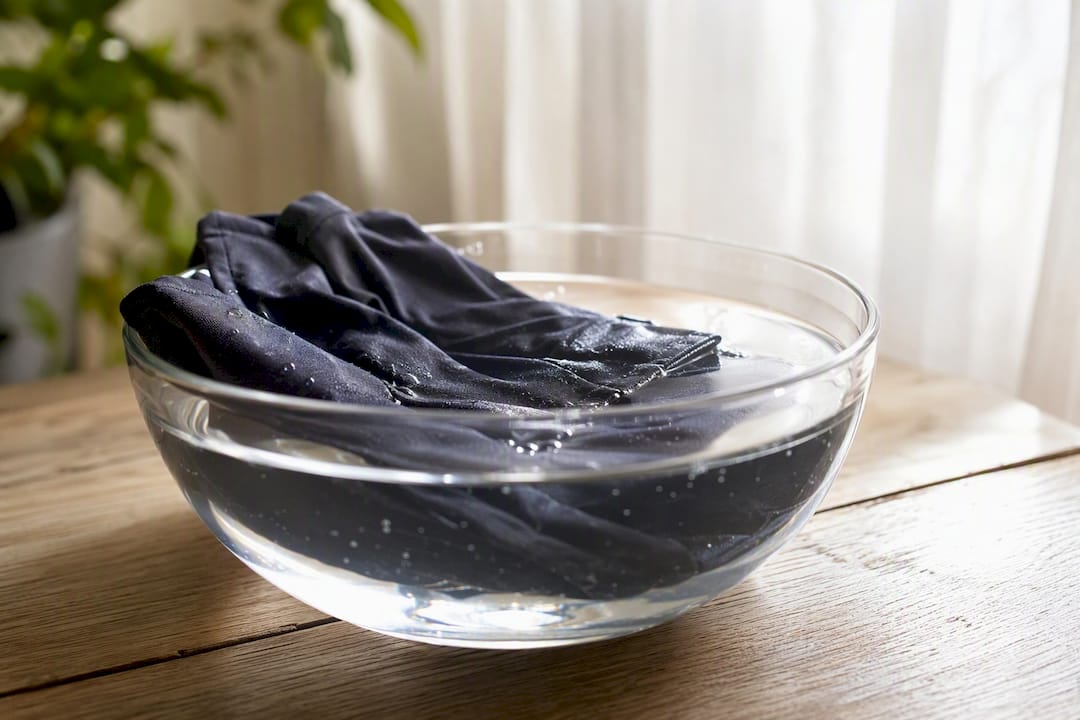
Pro Tip: Wash sustainable activewear in a mesh laundry bag on cold, and skip the dryer. Cold water and air drying cut microfiber shedding significantly compared to hot cycles and heat drying, and the reduced heat exposure extends elastane life by months.
How We Evaluated Brands and Products
Every brand and category profile above was assessed against six weighted criteria: material composition and sourcing transparency, third-party certification strength, durability signals from aggregated customer reviews, size range coverage, return and recycling policy quality, and price-to-value alignment for the stated fabric quality.
Claims accepted as verified needed backing from an official certificate number, a published lab test, or firsthand wear-testing notes. Self-reported marketing language, such as an unverified “eco-friendly” label with no certifying body named, was flagged as a claim rather than treated as fact.
Materials and certification transparency carried the heaviest weight in category placement.
Durability assessment leaned on aggregated review patterns around wash cycles and wear over months, not single reviews.
Price and value were assessed relative to the certification tier a brand actually holds, not brand prestige alone.
What Does the Research Actually Say About Fabric Tradeoffs?
The core statistic to know: the average gym legging on the market is about 88% polyester, and that single number explains most of the environmental tension in this category. Polyester performs well athletically, but it sheds microfibers with every wash, and peer-reviewed research confirms these fibers persist in the environment long after the garment is gone.
Recycled polyester reduces demand for virgin plastic, a real benefit, but it does not solve the shedding problem since the fiber structure itself is unchanged. Bio-based alternatives like eucalyptus pulp and TENCEL lyocell avoid this issue at the source, which is why brands chasing genuine circularity increasingly favor them over recycled synthetics alone.
Chemical safety adds another layer. Independent testing has found PFAS in some yoga pants and other textile products, and separate research shows sweat can leach chemicals from synthetic microplastics during high-intensity exercise, which matters most for hot yoga and HIIT where sweat contact is prolonged.
Why I recommend treating “sustainable” as a spectrum, not a checkbox
Having spent years comparing sourcing claims across beauty and apparel, the biggest mistake shoppers make is looking for one perfect brand rather than matching fabric tradeoffs to their actual activity. Pick Essence Zenith when you want verified transparency and a real safety net on returns; pick a tree-fiber specialist instead only if avoiding microplastic shedding outranks every other factor for you.
Shop Sustainable Activewear With Essence Zenith
Essence Zenith gives you what most activewear shopping lacks: sourcing details you can actually verify before checkout, not buried in a sustainability pledge page you have to hunt for. Every listing discloses material composition and certification status upfront, and if a piece does not perform the way you expected, the 30-day satisfaction guarantee lets you send it back without a fight over wear or receipts.

That same transparency runs through Essencezenith’s broader catalog, which is worth exploring if you are already rethinking what goes on your body during a workout, from sustainable beauty principles that mirror the fiber tradeoffs covered here, to the trustworthy brand checklist that applies just as well to leggings as it does to skincare. Ready to see what is currently curated? Browse the Essence Zenith activewear selection and check the return window before your first order ships.
Sources
The Good Trade’s sustainable activewear roundup supplied the 88% polyester benchmark and the eucalyptus fiber comparison used throughout this guide. The ACS Environmental Science study backs the microfiber persistence claims in the materials research section. EWG’s PFAS testing supports the chemical safety warnings in the buying guide, and the University of Birmingham sweat leaching research informed the high-sweat activity recommendations.
FAQ
What certifications matter most for sustainable activewear?
GOTS covers organic fiber farming and processing, while OEKO-TEX Standard 100 tests for restricted chemicals like PFAS. Both give you third-party verification instead of relying on brand marketing language alone.
Does recycled polyester activewear still shed microplastics?
Yes. Recycled polyester reduces virgin plastic demand, but the fiber structure is unchanged, so it sheds microfibers during washing at rates similar to virgin polyester.
Is Essence Zenith a good option for sustainable workout clothes?
Essence Zenith curates activewear with disclosed material sourcing and verified certifications, backed by a 30-day satisfaction guarantee, making it a solid pick for shoppers who want transparency without researching every brand individually.
What is the typical price range for ethical activewear?
Most certified sustainable activewear runs $30 to $95 per piece depending on fiber type and brand positioning, with organic cotton basics on the lower end and tree-fiber or closed-loop lyocell pieces toward the higher end.
How can I reduce microplastic shedding from synthetic workout clothes I already own?
Wash synthetic activewear in a mesh laundry bag on cold water and skip the dryer, since heat and agitation are the primary drivers of microfiber release during laundering.
Recommended
Comments