
What Does an Upcycled Beauty Ingredient Mean?

TL;DR:
Upcycled beauty ingredients transform waste materials into high-value cosmetic components, reducing environmental impact.
They are processed with advanced technology to ensure safety and consistent performance in products.
An upcycled beauty ingredient is defined as a material transformed from agricultural, food, or industrial by-products into a high-value functional cosmetic ingredient. The term differs from recycling and downcycling because the process increases the material’s value rather than simply diverting it from a landfill. Understanding what does upcycled beauty ingredient mean matters now because raw material sourcing accounts for 30–50% of the beauty sector’s greenhouse gas emissions. That figure makes the ingredient supply chain one of the most consequential sustainability decisions a brand makes. The Upcycled Food Association has established the Upcycled Certified standard, which gives shoppers a credible benchmark for evaluating claims. Essencezenith curates products against exactly these standards, so you can shop with confidence rather than guesswork.
What are common sources of upcycled ingredients in beauty?
Upcycled cosmetic ingredients come from a wide variety of by-product streams, each with distinct functional roles. The most common sources include:
Fruit seeds and seed oils (grape, raspberry, rosehip): rich in fatty acids, they act as emollients and skin-barrier supporters.
Coffee grounds: a natural exfoliant and antioxidant source, repurposed from the food and beverage industry.
Citrus and fruit peels: contain flavonoids and vitamin C derivatives that function as antioxidants and brightening agents.
Olive mill waste: yields squalane and polyphenols, both prized for moisturizing and anti-aging performance.
Grain and cereal bran: provides beta-glucan and ceramide precursors that strengthen the skin barrier.
Tomato seed oil: a natural SPF booster and antioxidant, extracted from tomato processing waste.
These materials are not cosmetic afterthoughts. Upcycled ingredients serve multiple cosmetic functions simultaneously, including antioxidant protection, emulsification, and UV defense, which conventional synthetic ingredients often cannot match in a single compound. That multifunctionality is a genuine formulation advantage, not just a sustainability talking point.
Consumer demand reflects this shift. 50% of consumers actively seek products with upcycled ingredients because of their lower environmental footprint. That preference is pushing both indie labs and large international brands to integrate agro-industrial side streams into their formulas. The result is a growing catalog of products where sustainability and performance reinforce each other rather than compete.

How does technology make upcycled ingredients safe and effective?
Green extraction and biotechnology are the backbone of high-quality upcycled cosmetic ingredients. Without rigorous processing, a by-product is just waste. With the right technology, it becomes a standardized, batch-consistent ingredient that performs reliably in a finished formula.
Supercritical CO₂ extraction is one of the most effective methods available. It uses pressurized carbon dioxide as a solvent, which leaves zero solvent residue in the final extract and preserves heat-sensitive compounds like polyphenols and essential fatty acids. The process is also scalable, meaning a brand can move from lab batch to commercial production without losing consistency.
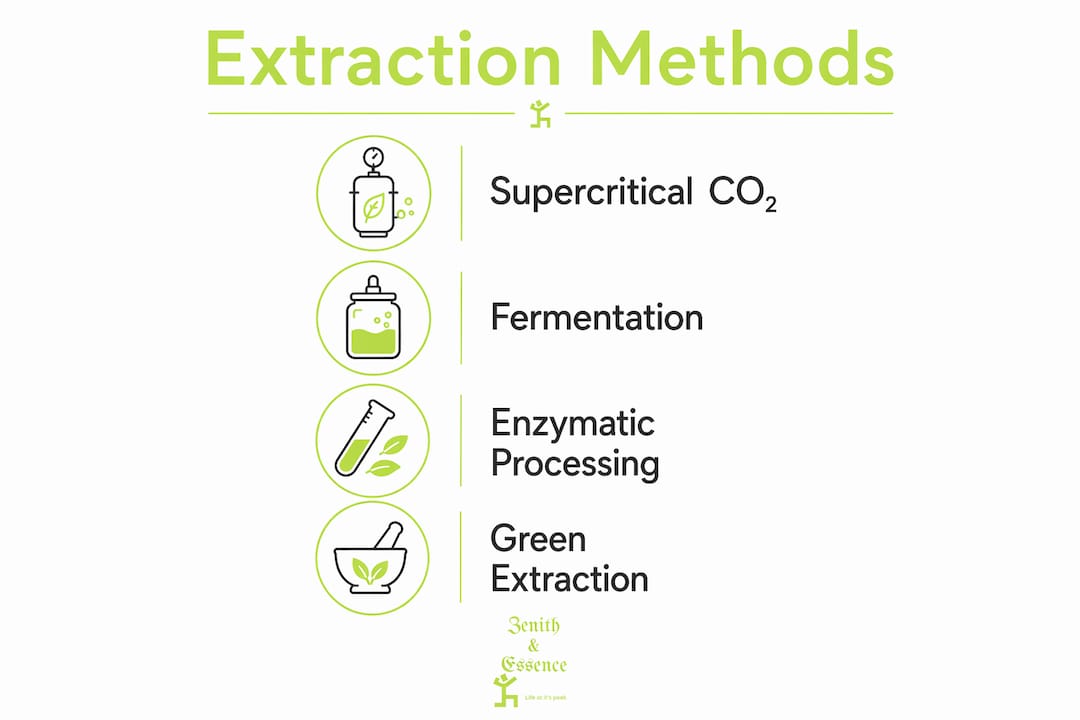
Fermentation and enzymatic processing offer a complementary path. Fermentation uses microorganisms to break down complex plant structures, releasing bioactive compounds that would otherwise remain locked inside the raw material. Biotechnological advances like fermentation and enzymatic processing standardize these side streams so formulators can specify exact concentrations and expect predictable results across every production run. That reproducibility is what separates a credible upcycled ingredient from an inconsistent raw material. You can read more about how these processes work in the context of fermentation and skin science.
Shelf stability and sensory qualities also benefit from these methods. Properly extracted upcycled oils and extracts show oxidative stability comparable to virgin plant oils. Consumers notice this in texture, scent, and how a product performs over its full shelf life.
Pro Tip: When evaluating a product that claims upcycled ingredients, look for brands that name the specific extraction method on their website or product page. “Supercritical CO₂ extracted” or “fermentation-derived” signals that the brand has invested in quality processing, not just marketing language.
Why do upcycled ingredients benefit the environment?
Upcycled beauty ingredients reduce environmental harm in three distinct ways: they cut landfill waste, they avoid new agricultural resource use, and they lower greenhouse gas emissions.
Landfill diversion reduces methane. Organic waste decomposing in landfills produces methane, a greenhouse gas far more potent than CO₂ over a short time horizon. The Environmental Protection Agency identifies landfill methane as a major contributor to climate change. Transforming fruit peels, coffee grounds, and grain bran into cosmetic ingredients keeps that organic matter out of landfills entirely.
No new land or water is required. Upcycling conserves land, water, and reduces pesticide use by reusing materials that already exist in the supply chain. A conventional plant oil requires dedicated cultivation. An upcycled seed oil from the same plant uses material that would otherwise be discarded after food processing.
Circular economy principles become practical. Upcycling closes the loop between food production and cosmetic manufacturing. A winery generates grape seed waste as a fixed cost of production. A cosmetic brand that sources that waste converts a liability into an asset for both parties.
Biodiversity pressure decreases. Upcycling is essential in fighting biodiversity loss because it maximizes value from existing materials rather than expanding agricultural footprints into natural habitats. Every hectare not converted to new cultivation is a hectare that supports native species.
Nearly 70% of cosmetic plastic packaging is non-recyclable, which means ingredient sustainability carries even more weight in a product’s overall environmental profile. Choosing formulas built on upcycled ingredients is one of the most direct ways you can reduce the footprint of your beauty routine.
How can you identify authentic upcycled beauty products?
Identifying genuine upcycled ingredients requires more than reading the front of a package. Brands that do this well provide specific, verifiable information. Brands that do not often rely on vague language like “eco-conscious” or “sustainably sourced” without any supporting detail.
The most reliable signals to look for:
Upcycled Certified label: issued by the Upcycled Food Association, this certification requires documented proof that an ingredient was sourced from a verified by-product stream. It is the closest thing the industry has to an objective standard.
Named ingredient origins: a credible brand states where the by-product comes from, such as “grape seed oil from Italian winemaking waste” rather than simply “grape seed oil.”
Extraction method disclosure: as noted above, naming the processing method (supercritical CO₂, fermentation, enzymatic) signals technical rigor.
Supply chain transparency: traceability and reproducibility are crucial for industrial-scale upcycled ingredients. Brands that publish supplier relationships or third-party audits demonstrate this.
Not all upcycled ingredients automatically perform better than conventional alternatives. Poor consistency in the source material can compromise formula stability and product performance. That is why quality assurance matters as much as the sustainability claim itself. The beauty brand quality assurance checklist from Essencezenith walks through the specific criteria worth verifying before you buy.
Pro Tip: Search a brand’s website for the phrase “supply chain transparency” or “ingredient traceability.” If neither appears anywhere, treat their upcycled claims with skepticism until you find independent verification.
A practical shortcut is to use the trustworthy beauty brand checklist as a filter. It covers sourcing transparency and ingredient quality criteria that apply directly to evaluating upcycled claims.
Key Takeaways
Upcycled beauty ingredients are defined by value creation from existing by-products, verified through traceability, green extraction technology, and recognized certifications like Upcycled Certified.
Point | Details |
Core definition | Upcycled ingredients transform agricultural or food by-products into high-value cosmetic materials. |
Environmental impact | Raw material sourcing drives 30–50% of beauty sector emissions; upcycling directly cuts that figure. |
Technology matters | Supercritical CO₂ extraction and fermentation produce consistent, safe, batch-controlled ingredients. |
Certification benchmark | The Upcycled Certified standard from the Upcycled Food Association is the most credible consumer signal. |
Quality is not automatic | Traceability and industrial-scale processing determine whether an upcycled ingredient actually performs. |
The part of upcycled beauty most brands skip over
I have watched the upcycled ingredient category grow from a niche talking point into a mainstream formulation strategy, and the pattern I keep seeing is the same. Brands lead with the sustainability story and bury the performance data. That order should be reversed.
The most compelling upcycled ingredients I have encountered work because the extraction process was designed for cosmetic performance first. Grape seed polyphenols extracted via supercritical CO₂ are genuinely more stable and bioavailable than the same compounds pulled with conventional solvents. That is a skin benefit, not just an environmental one.
The challenge for consumers is that the marketing language has outpaced the verification infrastructure. “Upcycled” on a label currently means very little without a certification or a named source. The Upcycled Certified standard is a real step forward, but adoption is still limited. Until it becomes the norm, your best protection is asking specific questions: Where did this by-product come from? How was it processed? Can the brand show third-party verification?
The brands getting this right treat upcycling as a formulation discipline, not a marketing angle. Those are the ones worth your loyalty and your money.
— Norman
Sustainable beauty at Essencezenith
Essencezenith selects products based on ingredient quality and sourcing transparency, which makes its catalog a practical starting point for anyone serious about upcycled beauty.

The Sustainable Living Essentials collection brings together formulas built on verified, sustainable ingredients, including options that draw on upcycled plant-derived materials. Every product ships with a 30-day satisfaction guarantee, so you can evaluate performance without risk. If you want a specific moisturizer that reflects these values, the Herbal Magic Moisturizing Cream is a strong starting point. Essencezenith also provides full ingredient sourcing detail on each product page, which is exactly the transparency the upcycled category demands.
FAQ
What does upcycled beauty ingredient mean exactly?
An upcycled beauty ingredient is a cosmetic material made by transforming agricultural, food, or industrial by-products into a higher-value functional ingredient. The process increases the material’s value rather than simply diverting it from a landfill.
Are upcycled ingredients in beauty products safe?
Yes, when processed through methods like supercritical CO₂ extraction or fermentation, upcycled ingredients meet the same safety and consistency standards as conventional cosmetic ingredients. Poor processing is the risk, not the upcycled origin itself.
How do I know if a product genuinely uses upcycled ingredients?
Look for the Upcycled Certified label from the Upcycled Food Association, or check whether the brand names the specific by-product source and extraction method. Vague terms like “eco-sourced” without supporting detail are not sufficient verification.
Do upcycled ingredients perform as well as conventional ones?
Upcycled ingredients often match or exceed conventional alternatives in performance because the extraction process concentrates bioactive compounds. Grape seed oil, coffee extract, and olive squalane derived from by-products are well-documented performers in published cosmetic research.
Why does upcycling matter more than recycling for beauty?
Recycling typically maintains or reduces a material’s value, while upcycling increases it by converting waste into a premium cosmetic ingredient. That value increase is what makes upcycling a net positive for both the environment and product formulation quality.
Recommended
Comments