
What Is Green Chemistry in Beauty: A Clear Guide
- Norman Church
- Jun 21
- 7 min read

TL;DR:
Green chemistry in beauty involves designing products that eliminate hazardous substances across sourcing, manufacturing, use, and disposal. It emphasizes safe, renewable ingredients, low-energy processes, and biodegradability, validated by third-party certifications like COSMOS Organic and Ecocert. This approach provides safer, sustainable products that can match or surpass conventional performance, justifying higher costs.
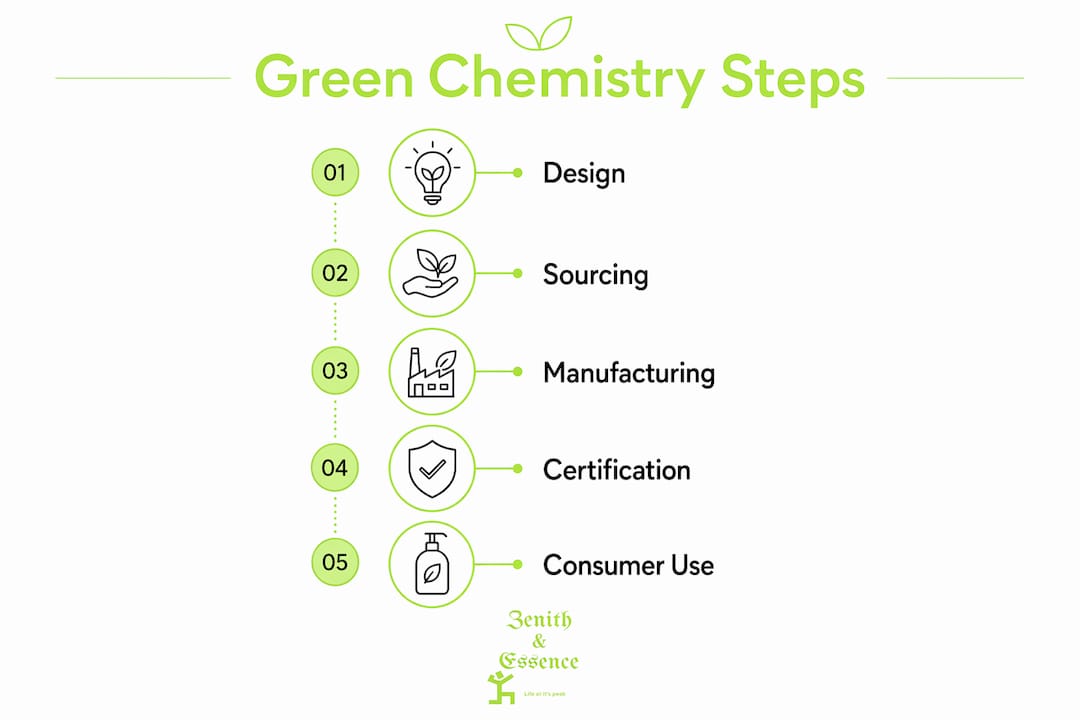
Green chemistry in beauty is defined as the scientific design of cosmetic products and ingredients that eliminate hazardous substances while protecting both human health and the environment. This approach goes far beyond swapping out one ingredient for another. It applies lifecycle thinking across sourcing, manufacturing, use, and disposal. Brands like L’Oréal have pioneered this with ingredients like Pro-Xylane, a sugar derivative from wood pulp. Third-party standards like COSMOS certification now verify these claims. For eco-conscious shoppers, understanding green chemistry cuts through marketing noise and points to products that are genuinely safer and more sustainable.
What is green chemistry in beauty and why does it matter?
Green chemistry is a scientific framework that prioritizes safety as a design principle, not an afterthought. Traditional cosmetic chemistry often relied on petroleum-based ingredients chosen for performance and cost. Green chemistry replaces that logic with a question: can this ingredient do the same job without causing harm at any stage of its life?
The framework rests on several core principles:
Eliminate hazardous substances at the design stage rather than managing them after the fact
Use renewable, plant-based feedstocks instead of petroleum-derived raw materials
Minimize energy consumption through low-energy or cold-process manufacturing methods
Prioritize biodegradability so ingredients break down safely after use
Reduce waste across the entire supply chain, not just in the final product
These principles work together. Choosing a plant-based surfactant, for example, only counts as green chemistry if the plant was sustainably sourced, the manufacturing process was low-energy, and the ingredient biodegrades after it washes down the drain.
Third-party certifications validate these claims. COSMOS Organic, RSPO (Roundtable on Sustainable Palm Oil), and Ecocert each assess different parts of the supply chain. No single certification covers everything, so credible brands typically hold more than one.

Pro Tip: When evaluating a product’s green credentials, look for COSMOS Organic or Ecocert certification on the label. These require verified lifecycle assessments, not just a list of plant-based ingredients.
How does green chemistry benefit consumers and the environment?
Green chemistry products deliver real advantages that go beyond good intentions. The most direct benefit for consumers is safer formulations. By designing out hazardous substances from the start, green chemistry produces products that are non-toxic and hypoallergenic, making them suitable for sensitive skin types that react to conventional cosmetics.
The environmental benefits are equally concrete:
Reduced carbon footprint from lower-energy manufacturing processes
Biodegradable ingredients that do not accumulate in waterways or soil
Sustainable sourcing that protects ecosystems and supports ethical labor
Less packaging waste when brands apply green principles beyond the formula itself
“Sustainability and high performance are not mutually exclusive. Modern green chemistry ingredients now match or surpass traditional counterparts.” — Glamkween Sustainable Beauty Guide
Leading firms now use Green Score tools that measure environmental impact through metrics like biodegradability, greenhouse gas emissions, and supply chain transparency. These tools move sustainability from a marketing claim to a measurable outcome. That shift matters because it gives consumers and regulators a way to compare products objectively.
Green chemistry products do carry higher price points. This reflects the genuine cost of research, sustainable sourcing, and certification. That premium is justified by the safety and sustainability gains, but it is worth knowing when you compare prices on the shelf.
Holistic sustainability also demands corporate transparency beyond the formula. Brands that publish supply chain data, hold credible certifications, and report on labor practices are applying green chemistry principles at the systems level, not just the ingredient level.
What are real-world examples of green chemistry in beauty products?
Green chemistry is not theoretical. Specific ingredients and manufacturing methods already appear in products you can buy today.
Ingredient innovations worth knowing
L’Oréal’s Pro-Xylane is one of the most cited examples. It is derived from xylose, a natural sugar found in beechwood, through a green chemistry process that avoids harsh solvents. The result is a biocompatible anti-aging active that performs at clinical levels without the environmental burden of petroleum-derived alternatives.
Polyhydroxy Acids (PHAs) represent another clear win. PHAs are larger molecules that penetrate skin less deeply than Alpha Hydroxy Acids (AHAs), making them gentler for sensitive skin while still delivering effective exfoliation. They are verified by COSMOS Organic and represent exactly what green chemistry promises: equal or better performance with a safer profile.
Ingredient | Source | Benefit | Certification |
Pro-Xylane | Beechwood sugar (xylose) | Anti-aging, biocompatible | Green chemistry process |
Polyhydroxy Acids (PHAs) | Plant-derived | Gentle exfoliation, sensitive skin safe | COSMOS Organic |
Polyglyceryl esters | Plant oils via esterification | Mild surfactant, biodegradable | COSMOS Organic, Ecocert |
Upcycled fruit extracts | Food industry byproducts | Antioxidant actives, zero-waste sourcing | Varies by brand |
Manufacturing processes that make the difference
Cold-process manufacturing significantly lowers energy consumption compared to traditional high-heat methods. It also preserves the bioactivity of plant-based ingredients that would degrade under heat. Esterification, another green process, produces polyglyceryl esters: mild, biodegradable surfactants used in cleansers and emulsifiers that carry COSMOS Organic certification.
Upcycled ingredients are a growing category. Brands now extract antioxidant actives from fruit seeds and peels that would otherwise become food industry waste. This approach reduces raw material demand and gives high-performance ingredients a zero-waste origin story.
Pro Tip: Check ingredient lists for polyglyceryl esters (such as polyglyceryl-3 laurate or polyglyceryl-4 oleate). Their presence signals a brand using green chemistry surfactant technology rather than conventional petroleum-derived alternatives.
How does green chemistry differ from “chemical-free” or “natural” beauty?
The “chemical-free” claim is scientifically impossible. Every substance on earth is a chemical. Water is a chemical. Vitamin C is a chemical. When brands use “chemical-free” as a selling point, they are using imprecise language that misleads rather than informs.
Green chemistry reframes the debate from “natural versus synthetic” to “benign versus harmful.” A synthetic ingredient designed through green chemistry principles can be safer and more sustainable than a naturally occurring one that is toxic, over-harvested, or energy-intensive to extract.
Here is how to think through the real distinctions:
Origin does not equal safety. Arsenic is natural. Many petroleum derivatives are synthetic but inert and safe at cosmetic concentrations. The source of an ingredient tells you less than its toxicological profile and lifecycle impact.
Lifecycle assessment is the standard. Green chemistry evaluates an ingredient from the moment it is sourced to the moment it breaks down after use. A plant-based ingredient sourced through deforestation fails this test.
Preservatives are not the enemy. Professional-grade, biodegradable preservatives prevent microbial growth more effectively than simplistic “natural” alternatives. A product without adequate preservation is a safety risk, not a green achievement.
Certifications beat buzzwords. Labels like “green,” “eco,” and “clean” have no regulated definition in the United States. COSMOS Organic, Ecocert, and RSPO do. Look for those instead.
Performance is not sacrificed. The persistent myth that green beauty products underperform is outdated. PHAs, polyglyceryl esters, and upcycled actives all demonstrate that sustainable ingredients can match conventional ones.
Pro Tip: Use the trustworthy beauty brand checklist approach: verify certifications, check supply chain disclosures, and look for published ingredient safety data before trusting any “green” label.
Key Takeaways
Green chemistry in beauty is the only science-based framework that evaluates cosmetic safety, sustainability, and environmental impact across the full product lifecycle, from sourcing to disposal.
Point | Details |
Green chemistry defined | It eliminates hazardous substances by design, not by accident, across the full product lifecycle. |
Benign vs. harmful | The real distinction is not natural vs. synthetic but whether an ingredient causes harm at any lifecycle stage. |
Certifications matter | COSMOS Organic, Ecocert, and RSPO verify green claims; unregulated buzzwords like “clean” do not. |
Performance is real | PHAs and polyglyceryl esters match or exceed conventional ingredients in clinical and consumer testing. |
Higher cost is justified | Green chemistry products cost more due to sustainable sourcing and research investment, not marketing inflation. |
Why green chemistry is the future of beauty, not a trend
I have spent years watching the beauty industry cycle through trends. “Natural” was the word of the 2010s. “Clean” took over after that. Neither term had a scientific definition, and neither held brands accountable for what was actually in the bottle.
Green chemistry is different because it is grounded in measurable science. When I look at a brand using COSMOS-certified polyglyceryl esters and cold-process manufacturing, I see a company that made hard decisions about supply chains and production costs. That is not a marketing choice. It is an engineering and ethics choice.
The biggest misconception I encounter is that consumers must choose between performance and sustainability. That was true a decade ago. It is not true now. PHAs outperform AHAs for sensitive skin. Pro-Xylane delivers anti-aging results without the environmental cost of synthetic retinol precursors. The gap has closed.
What concerns me more is the certification gap. Most consumers cannot distinguish COSMOS Organic from a brand’s self-declared “eco” label. Brands know this and exploit it. My advice: treat any sustainability claim without a named third-party certification as unverified. The biotechnology advances driving green chemistry are real and impressive. The marketing language around them often is not.
Sustainability and performance can coexist. The brands proving that every day are the ones worth your money.
— Norman
Essencezenith’s commitment to green chemistry

Essencezenith curates products built on exactly the principles covered here: verified ingredients, transparent sourcing, and formulas that perform. The Natural Vegetable Deodorant is a direct example, using plant-derived actives aligned with green chemistry values and free from harmful synthetic compounds. The Herbal Magic Moisturizing Cream applies the same logic to daily hydration, sourcing sustainably and formulating for sensitive skin. Every product in the Essencezenith line comes with a 30-day satisfaction guarantee, so you can test green chemistry performance without risk. Shop the full sustainable luxury collection and find products that back their claims with science.
FAQ
What is the simplest definition of green chemistry in beauty?
Green chemistry in beauty is the design of cosmetic products that eliminate hazardous substances from the start, using renewable ingredients and low-energy processes across the full product lifecycle.
Is “natural” the same as green chemistry?
No. Natural refers to ingredient origin, while green chemistry evaluates safety and environmental impact across sourcing, manufacturing, use, and disposal. A natural ingredient can still fail green chemistry standards if it is toxic or unsustainably harvested.
What certifications confirm a product uses green chemistry principles?
COSMOS Organic, Ecocert, and RSPO are the most credible third-party certifications. They require verified lifecycle assessments and supply chain transparency, unlike unregulated terms like “clean” or “eco.”
Are green chemistry beauty products less effective than conventional ones?
No. Ingredients like Polyhydroxy Acids (PHAs) and polyglyceryl esters match or exceed conventional alternatives in clinical performance, while carrying a safer and more sustainable profile.
Why do green chemistry beauty products cost more?
Higher prices reflect the real costs of sustainable sourcing, green manufacturing processes, and third-party certification. That investment produces safer formulations and lower environmental impact compared to petroleum-based alternatives.
Recommended
Comments