
Why Beauty Product Shelf Life Matters for Safe Skin
- Norman Church
- Jun 11
- 9 min read


TL;DR:
Beauty product shelf life ensures safety, stability, and performance both before and after opening. Understanding the difference between unopened shelf life and PAO helps prevent microbial contamination and ingredient degradation. Proper storage, handling, and respecting expiration signs are essential to protect skin health and maximize product value.
Beauty product shelf life is the scientifically validated timeframe during which a product maintains its safety, stability, and performance, both before and after opening. Most consumers focus on ingredients and price, but ignoring shelf life directly exposes your skin to microbial contamination, degraded actives, and allergic reactions. Two distinct concepts govern this: the unopened shelf life and the Period After Opening, known as PAO. Understanding why beauty product shelf life matters is the difference between a product that works and one that harms. Mastering both concepts protects your skin and ensures every dollar you spend on skincare actually delivers results.
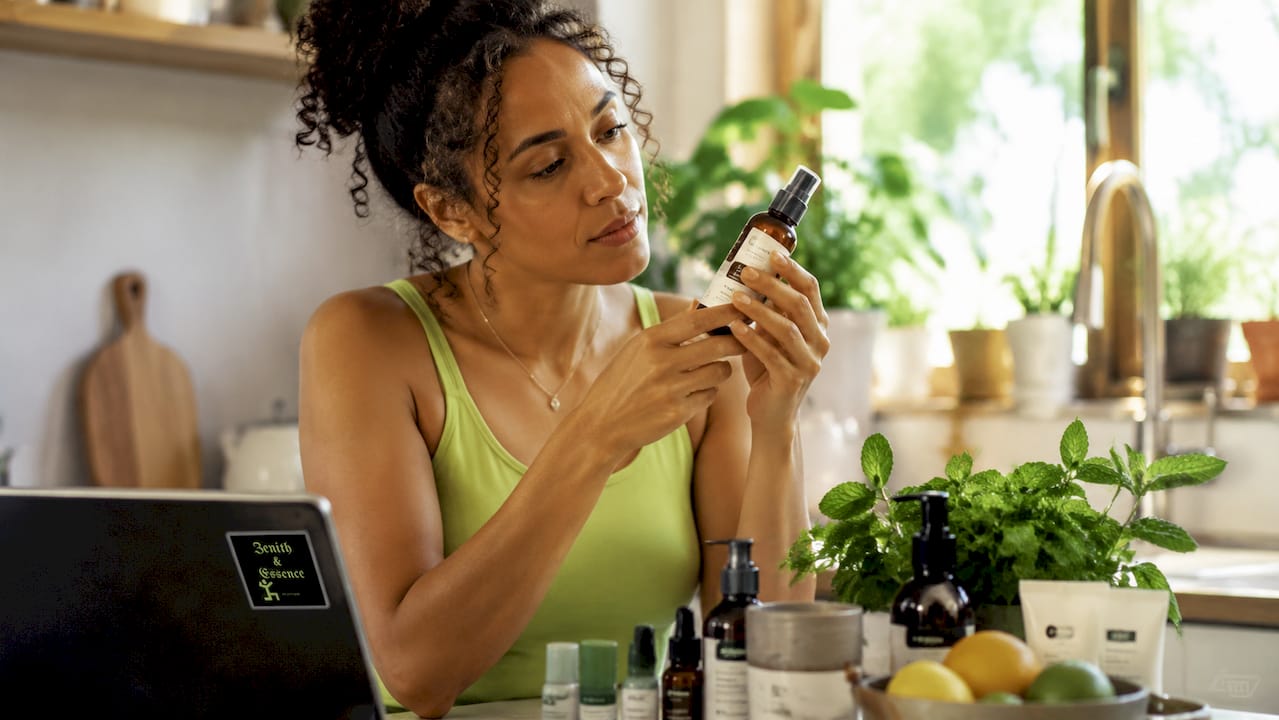
Why beauty product shelf life matters more than most people realize
Shelf life and PAO are related but not interchangeable. Shelf life versus PAO are distinct safety markers, and confusing them is one of the most common mistakes consumers make. Shelf life refers to the period an unopened product remains stable and safe under recommended storage conditions. PAO refers to how long a product is safe to use after you first open it.
Here is why the distinction is critical:
Shelf life is typically printed as a “best before” or minimum durability date on products with a shelf life under 30 months.
PAO appears as the open jar symbol followed by a number and “M,” such as 6M, 12M, or 24M, indicating months of safe use after opening.
A product can be well within its unopened shelf life but already unsafe if you opened it six months ago and its PAO is 6M.
Consumers frequently confuse PAO with expiration dates, treating them as the same thing when they serve entirely different safety functions.
Eye-area products like mascara and liquid eyeliner carry some of the shortest PAOs, often just three to six months, because repeated wand contact introduces bacteria directly into a moist, warm environment.
The PAO symbol is not a suggestion. It is a scientifically validated safety deadline designed to reduce the risk of microbial contamination and skin infections after opening. Treating it as optional is the equivalent of ignoring a use-by date on food.
What actually affects how long your beauty products last
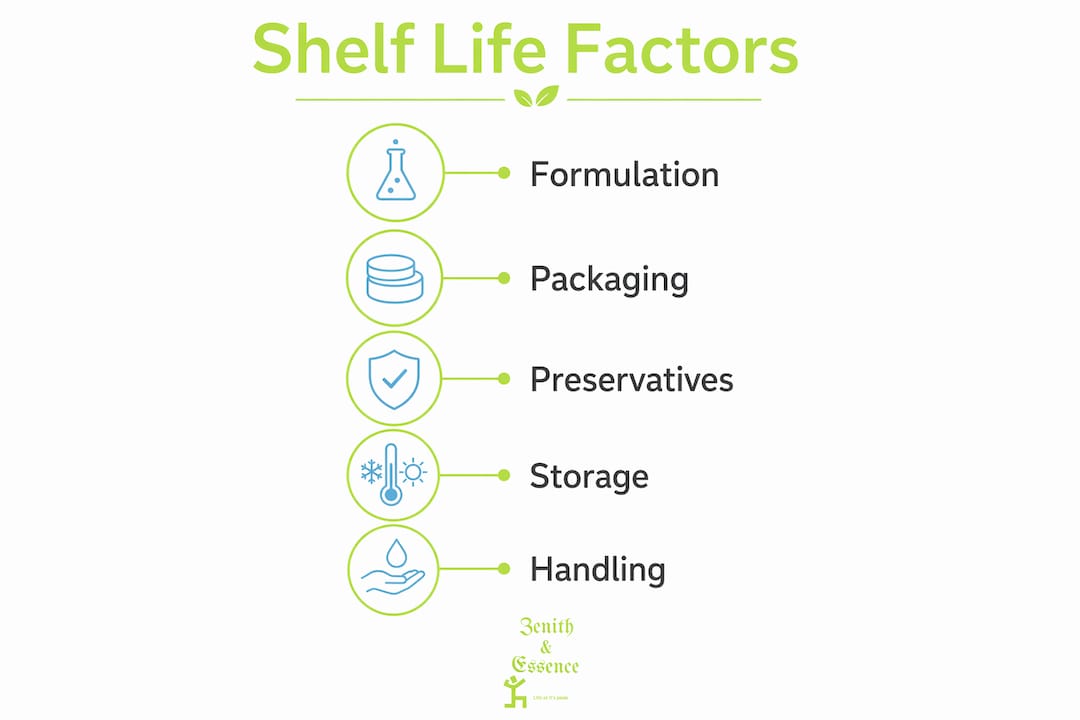
Cosmetic shelf life reflects a balance of formulation stability, packaging design, microbiological control, and consumer handling. No single factor operates in isolation, which is why two identical products can age at completely different rates depending on how they are stored and used.
Preservatives and their limits
Preservatives are the primary defense against microbial growth in water-based formulations. Their efficacy diminishes over time as they interact with other ingredients, degrade under heat, or become depleted through repeated exposure. A moisturizer with a 12M PAO is not arbitrary. It reflects the point at which the preservative system can no longer reliably protect the formula.
Heat, humidity, and light
Heat accelerates chemical degradation, and humidity fosters microbial growth, making your bathroom cabinet one of the worst places to store most skincare products. UV light degrades active ingredients like retinol and vitamin C within weeks of exposure. A serum left on a sunny windowsill can lose significant potency long before its PAO expires.
Packaging design
Airless dispensers reduce microbial exposure compared to open jars because they limit the product’s contact with air and fingers. Wide-mouth jars, by contrast, invite contamination every time you dip a finger in. Vitamin C serums in opaque, airless bottles oxidize far more slowly than the same formula in a clear glass dropper bottle.
Consumer handling
Every time you touch a product with unwashed hands, you introduce bacteria, fungi, and environmental contaminants. Real-world exposure and consumer habits cause two identical products to age differently. One person who always uses a clean spatula and stores their cream in a cool drawer will get the full PAO period. Another who double-dips with fingers in a warm bathroom may compromise the product in weeks.
Pro Tip: Store vitamin C serums, retinol products, and water-based creams in a cool, dark drawer or a dedicated skincare fridge. This single habit can extend effective shelf life by months and preserve active ingredient potency.
What are the real risks of using expired cosmetics?
The effects of expired cosmetics range from reduced performance to genuine health hazards. Understanding these risks makes the importance of product shelf life concrete rather than abstract.
Microbial contamination. Bacteria like Staphylococcus epidermidis and molds like Aspergillus can colonize cosmetics when preservative systems fail. These organisms cause skin infections, folliculitis, and in eye-area products, conjunctivitis or corneal damage.
Degraded active ingredients. Retinol oxidizes into compounds that irritate rather than renew. Vitamin C serums turn orange-brown as ascorbic acid degrades, signaling that the antioxidant benefit is gone. Using these products past their effective window means paying for results you will never see.
Allergic and irritant reactions. As formulas break down, ingredient interactions can produce new chemical compounds that trigger contact dermatitis. Fragrances and preservatives are particularly prone to this type of degradation.
Changed texture, color, and smell. Separation, graininess, rancid odor, and color shifts are all signs of product expiration. These are not cosmetic flaws. They indicate chemical or microbial changes that make the product unsafe.
Eye and lip product risks. Mascara, liquid liner, and lip gloss have direct contact with mucous membranes. Eye-area products carry shorter safe-use windows precisely because the consequences of contamination are more severe.
“The PAO symbol exists because the safety of a cosmetic product is not static. Once opened, the clock starts, and the product’s ability to protect itself from microbial invasion begins to decline.”
Recognizing the signs of product expiration before they reach your skin is a skill worth developing. If a product smells off, has changed color, or has separated in a way that does not re-emulsify with shaking, discard it regardless of the PAO date. Your nose and eyes are reliable early warning systems.
How regulations and testing back up shelf life claims
The importance of product shelf life is not just a consumer concern. It is a legal requirement in major markets. EU Regulation 1223/2009 requires every cosmetic product placed on the EU market to have a completed Product Safety Report, which includes evidence of stability and shelf life validation. The Responsible Person named on the product bears legal accountability for this documentation.
Testing Method | Purpose | Regulatory Relevance |
ISO 11930 challenge testing | Verifies preservative effectiveness against bacteria, yeast, and mold | Required for EU and many international markets |
Stability testing | Confirms physical and chemical integrity over time | Supports shelf life and PAO claims |
Microbiological testing | Detects contamination in finished product batches | Quality control and safety compliance |
USP 51 testing | Antimicrobial effectiveness testing used in US market | Confirms preservative system performance |
ISO 11930 preservative challenge testing simulates real-world microbial challenges by deliberately inoculating a product with target organisms and measuring how effectively the preservative system eliminates them. A product that passes this test has demonstrated, under controlled conditions, that it can protect itself and the consumer throughout its stated PAO. This is not a theoretical exercise. It is the scientific foundation behind every PAO number printed on a label.
Broad-spectrum preservation requires coordinated formulation chemistry, packaging, and testing. No single preservative can guarantee safety against all microbes, which is why formulation complexity matters and why cutting corners on preservation is a genuine consumer risk.
Practical steps to use beauty products safely within their shelf life
Knowing the theory is useful. Applying it at home is what actually protects your skin. These shelf life tips for skincare are straightforward to implement and make a measurable difference.
Write the opening date on the product. Use a fine-tip marker on the bottom of the bottle or tube. This removes all guesswork about when the PAO clock started.
Check the PAO symbol before every purchase. The open jar icon with a number tells you exactly how long you have after opening. Products with a 6M PAO require more discipline than those with 24M.
Store products away from heat and light. A cool, dark drawer or cabinet is better than a bathroom shelf above a radiator. Skincare fridges are worth considering for vitamin C serums and retinol products.
Use clean applicators. Wash makeup brushes weekly with a gentle cleanser. Use a clean spatula instead of fingers for jar-based creams. This single habit significantly extends the safe use period of any product.
Recognize the signs. Rancid smell, color change, texture separation, and skin stinging on application are all signals to discard a product immediately, regardless of the PAO date.
Dispose of expired products responsibly. Many municipalities accept cosmetics in household waste, but check local guidelines for products containing active pharmaceutical ingredients or SPF compounds.
Pro Tip: Before buying a new skincare product online, check whether it ships with a PAO label and a clear expiration or batch code. Reputable retailers like Essencezenith include this information so you know exactly what you are receiving and how long you have to use it safely.
For a broader look at identifying authentic products and avoiding counterfeits that may lack proper PAO labeling, Essencezenith’s 2026 guide is a practical starting point.
Key takeaways
Respecting beauty product shelf life is the single most effective way to protect your skin from contamination, preserve active ingredient performance, and get real value from every product you buy.
Point | Details |
Shelf life vs. PAO | Shelf life covers unopened stability; PAO marks safe use after opening. Both matter independently. |
Storage conditions | Heat, humidity, and light degrade products faster. Store in cool, dark locations to preserve efficacy. |
Contamination risks | Expired products can harbor bacteria like Staphylococcus epidermidis, causing infections and irritation. |
Regulatory backing | ISO 11930 and EU Regulation 1223/2009 require tested, validated shelf life claims on all cosmetics. |
Consumer action | Write opening dates on products, use clean applicators, and discard anything that smells or looks off. |
The uncomfortable truth about shelf life most beauty content ignores
I have reviewed hundreds of skincare routines over the years, and the pattern is consistent: people spend significant money on high-quality serums and creams, then store them in steamy bathrooms, share them with family members, and use them months past the PAO because “it still looks fine.” The product they are applying at month nine of a six-month PAO is not the product they paid for. The preservative system is compromised, the actives have degraded, and the formula is potentially harboring organisms that belong nowhere near your face.
What frustrates me most is the clean beauty marketing that celebrates “preservative-free” formulations without explaining the tradeoff. A product without preservatives has a dramatically shorter safe use window and requires refrigeration and near-sterile handling to remain safe. That is not a problem with clean beauty as a philosophy. It is a problem with how it is communicated. Consumers deserve to know that a preservative-free face cream with a 3M PAO needs to be treated more like fresh food than a conventional moisturizer.
The other misconception I encounter constantly is that an expensive product is somehow exempt from shelf life rules. Price does not extend PAO. A $200 vitamin C serum that has oxidized is less effective than a $30 one used within its window. Following proper storage practices and respecting PAO dates is how you protect that investment, not how you waste it.
The brands worth trusting are the ones that make this information easy to find, label clearly, and formulate with tested preservation systems. That transparency is the real marker of quality.
— Norman
Shop beauty products formulated and tested for stability
Essencezenith curates products that take shelf life and formulation integrity seriously. Every product in the collection is selected for quality, transparency, and tested stability, so you know exactly what you are putting on your skin and how long it will perform. The Eco Nourishing Facial Oil by BYMANYC New York is certified organic and formulated for stable, long-lasting performance without unnecessary additives. For a preservative-aware daily essential, the Natural Vegetable Deodorant delivers clean, effective protection with full ingredient transparency. Explore the full range at Essencezenith and shop with confidence backed by a 30-day satisfaction guarantee.
FAQ
What is the difference between shelf life and PAO?
Shelf life refers to how long an unopened product remains stable and safe under recommended storage conditions. PAO, or Period After Opening, indicates how many months a product is safe to use after you first open it. The two are distinct safety markers and should both be checked before use.
How long do beauty products last after opening?
Most moisturizers and foundations carry a PAO of 12M to 24M, while mascara and liquid eyeliner are typically rated at 3M to 6M. Eye-area and high-moisture products have shorter safe-use windows because repeated handling and moisture accelerate microbial growth.
What are the signs of product expiration?
The most reliable signs include a rancid or unusual smell, visible color change, texture separation that does not re-emulsify, and skin stinging or irritation on application. Any of these signals means the product should be discarded immediately, regardless of the printed PAO date.
Does storage location affect how long beauty products last?
Storage conditions directly affect shelf life. Heat accelerates chemical degradation and humidity promotes microbial growth, so bathroom cabinets near showers are among the worst storage locations. A cool, dark drawer or a dedicated skincare fridge extends the effective life of most products, especially those containing vitamin C or retinol.
Are preservative-free beauty products safer?
Preservative-free products are not inherently safer. They typically carry shorter PAO periods and require stricter handling and storage to remain uncontaminated. Understanding skincare pH balance and formulation chemistry helps explain why preservation systems are a safety feature, not a compromise.
Recommended
Comments